
Photography is an Art of Observation: Learn to see
Updated 16 Oct 2026
Lesson 33 · Observation
Better photographs begin with what you notice
Photography is an art of observation. Before deciding how to frame a scene, notice what draws your attention: a change in light, a gesture, a relationship between shapes, or a small detail that gives the place its character.
Begin with the camera down when the situation allows. Let your eyes explore beyond the viewfinder and ask: what interests me here, and why? That gives your composition a purpose.
Slowing down is a way to practise attention. When an expression, movement or brief change in light matters, be ready to photograph it immediately. Observation includes recognising when to act.
Three things to practise
- Notice before you frame. Explore the scene with your eyes before choosing what belongs inside the photograph.
- Watch what changes. Follow the light, movement and relationships between subjects so you can anticipate a useful moment.
- Respond to what matters. Use the detail or feeling that caught your attention to guide your choices about viewpoint, timing and framing.
Academy Composition Framework · Lesson 33
Where this lesson fits
Notice what draws your attention, recognise what you want to communicate, then choose the tools that support it.
SEE → FEEL → TECHNIQUE
- Intention
- Restraint
- Observation · this lesson
- Judgement
Observation
What is actually happening here?
Your focus in Lesson 33: develop attention to changing light, moments and relationships. Let what you notice guide your choices while staying ready to respond when a photograph presents itself.
Video 3 · Observation
The series groups these two lessons together:
- 33 — Observation · you are here
- 28 — Storytelling — explore how moments, gestures and context suggest a story, mood or relationship.
The four themes work together throughout photography. Return to any of them when it helps you reconsider a choice. The Academy’s numbered lesson route stays the same.
Table of Contents Show
⏱️ CHAPTERS
00:00 - Introduction: Composition with Observation
01:24 - Lesson 33: Observation - Recognizing Worthwhile Moments
02:12 - Camera Down vs Camera Raised
02:38 - Perspective Starts with Attention
03:04 - 4 Starting Points: Sequence, Movement, Mood & Association
04:16 - Beyond First Impressions: Grasmere In-Camera Study
05:30 - The 10-Minute Observation Practice Routine
06:39 - 4 Key Principles of Observation
07:05 - Lesson 28: Photographic Storytelling
07:42 - Observable Evidence vs Interpretation (The Spinning Wheel)
08:20 - The Narrative Spectrum: Clear, Inferred & Open
09:32 - Mystery vs Confusion in Storytelling
09:52 - Telling Stories Across Different Genres
12:54 - The 3-Version Challenge: Clear, Inferred & Open
13:42 - 3 Rules for Visual Storytelling
14:10 - Summary: Observation Finds Evidence, Storytelling Reveals It

Observation brings gesture, expression and context together: the customer’s reaching hand, the stallholder’s response and the surrounding market activity create the moment.
What are you actually looking for?
Observation means recognising which parts of a scene deserve your attention. The subject may attract you first, but the photograph can depend equally on the light, surrounding shapes, developing gestures and relationships between people or objects.
In the market photograph above, the exchange between the customer and stallholder is only one part of the moment. Their reaching hands, the passing woman’s expression, the market signs and the surrounding activity work together. Watching the interaction develop made it possible to anticipate when gesture, expression and context would briefly align.
Light and change
Notice where light falls, what it reveals and how it changes. A brief patch of light can separate a subject, alter the mood or create a photograph that did not exist moments earlier.
Shape, pattern and space
Look for repeated forms, interruptions, useful gaps and the spaces between subjects. These relationships can organise the frame before any obvious event occurs.
Gesture, movement and moment
Follow hands, faces, gaze and repeated actions. Anticipating where movement is heading helps you prepare the frame before the most expressive moment arrives.
Relationships and context
Consider how people, objects and surroundings affect one another. Background details can explain a situation, create contrast or change how the subject is understood.
What caught my attention, what else contributes to it, and what might change if I watch for a little longer?
What does observation mean in photography?
Observation means paying attention to the scene and recognising what could make a photograph worth taking. You might notice how a shadow divides a wall, how two people relate to one another, or how a patch of light separates a subject from its surroundings.
The useful question is what makes that detail interesting to you. Its shape, atmosphere, contrast or meaning can become the starting point for your photograph.
Observe first, then check the frame
Before raising the camera, look around the whole scene. Notice what is happening outside your first point of interest. Watch where people are moving, where the light is falling and whether a different position brings elements together.
Once you raise the camera, your task becomes more specific: choose what to include, check the edges and decide whether the background supports your subject. This is where observation connects with framing in photography.
With the camera down:
What is catching my attention? What is changing?
Is there another relationship or viewpoint worth exploring?
With the camera raised:
Does this frame show what interested me?
What distracts from it, and is this the right moment?
Your perspective starts with your attention
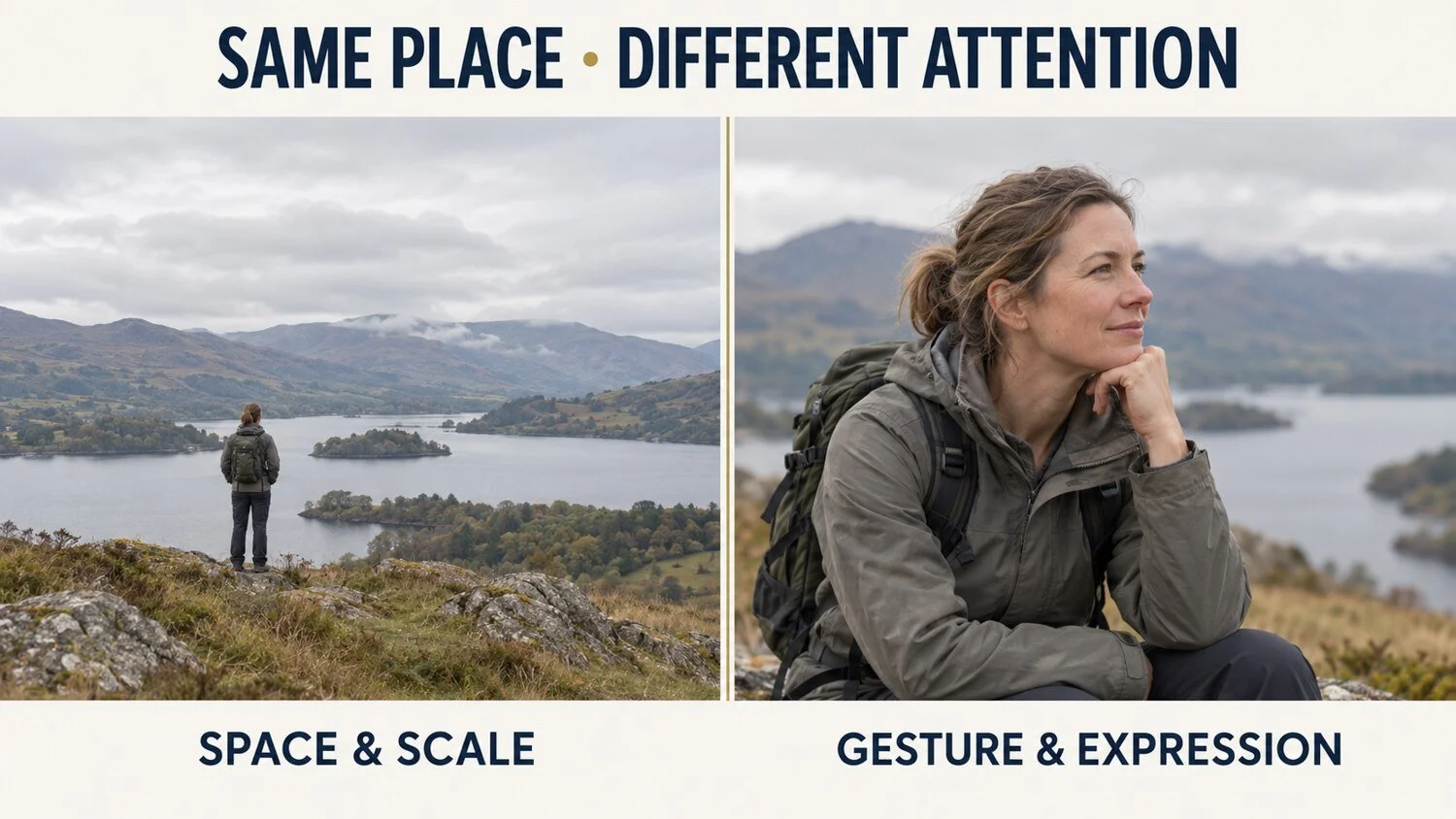
Two photographers can stand in the same place and notice different things. One may respond to the arrangement of shapes; another may be drawn to a gesture or the atmosphere of the light. Those differences give them different reasons to make a photograph.
Start by identifying your own reason. If a small figure against a large landscape interests you, the space around that person may be essential. If their expression is what matters, a closer viewpoint may communicate it more clearly.
Your composition follows from what you want the viewer to notice. The SEE → FEEL → TECHNIQUE framework helps you connect that initial observation with the choices you make using the camera.
Four ways observation can begin
Observation does not begin with one particular kind of subject. It may start with a sequence of actions, visible movement, an atmosphere created by light or a small detail that suggests a wider meaning. Notice what holds your attention, then decide which relationships the photograph needs to show.
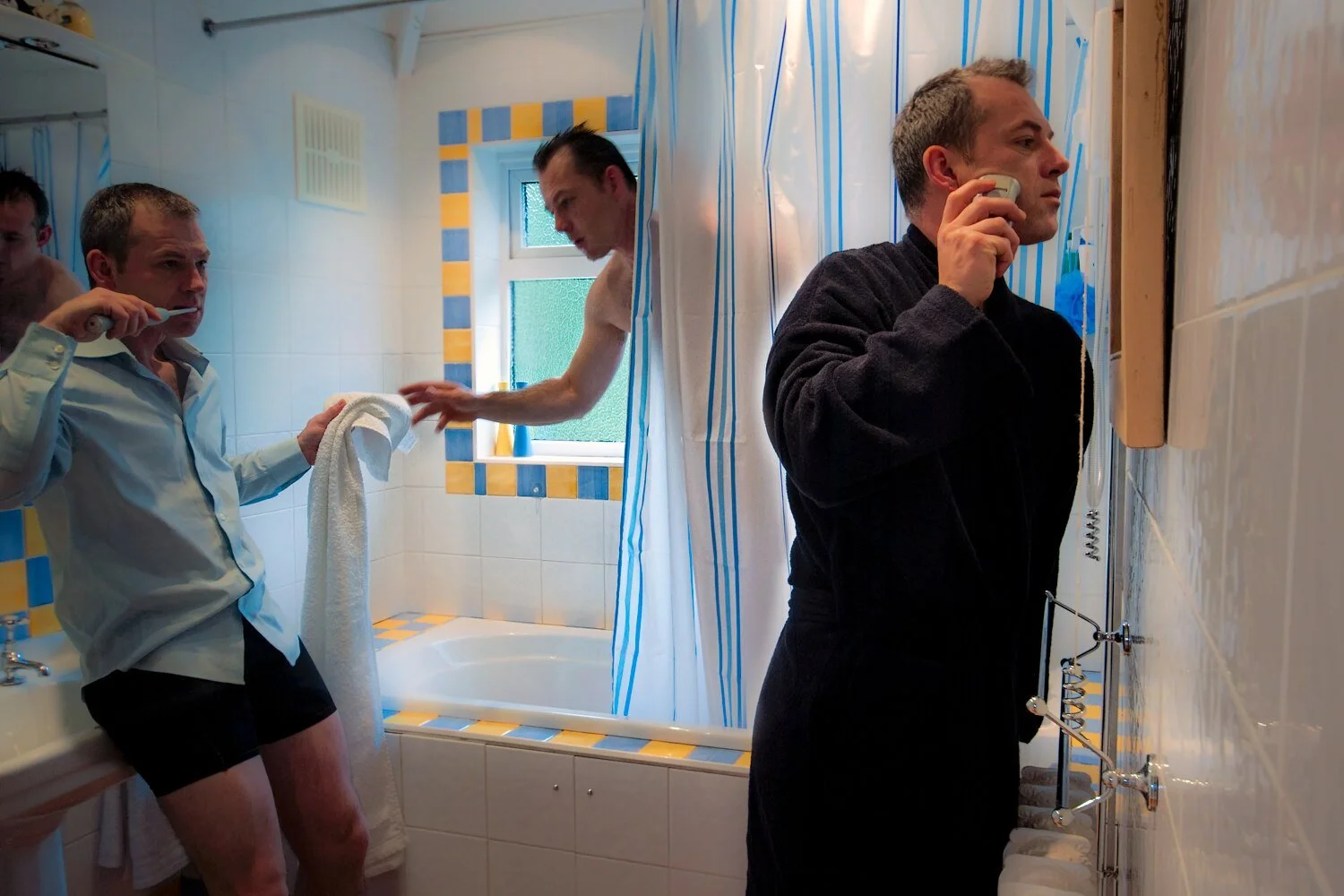
Morning Rush
Observation can connect separate actions into one idea. Repeated figures, gestures and objects describe the rhythm of an everyday routine rather than one isolated instant.
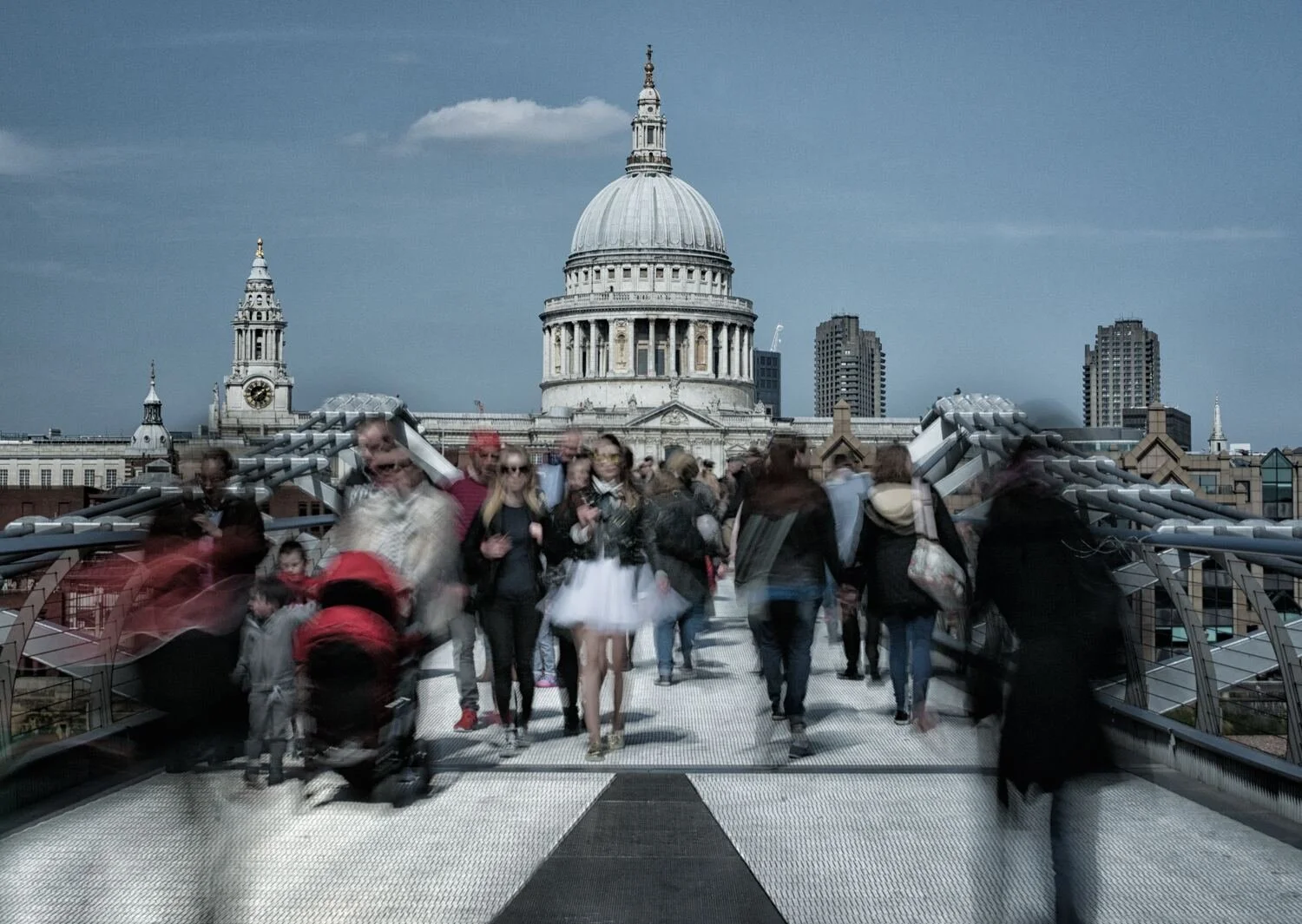
Movement III
Movement can become the subject. Watch what repeats, enters or leaves the frame, then decide whether to freeze the action or allow the passage of time to remain visible.
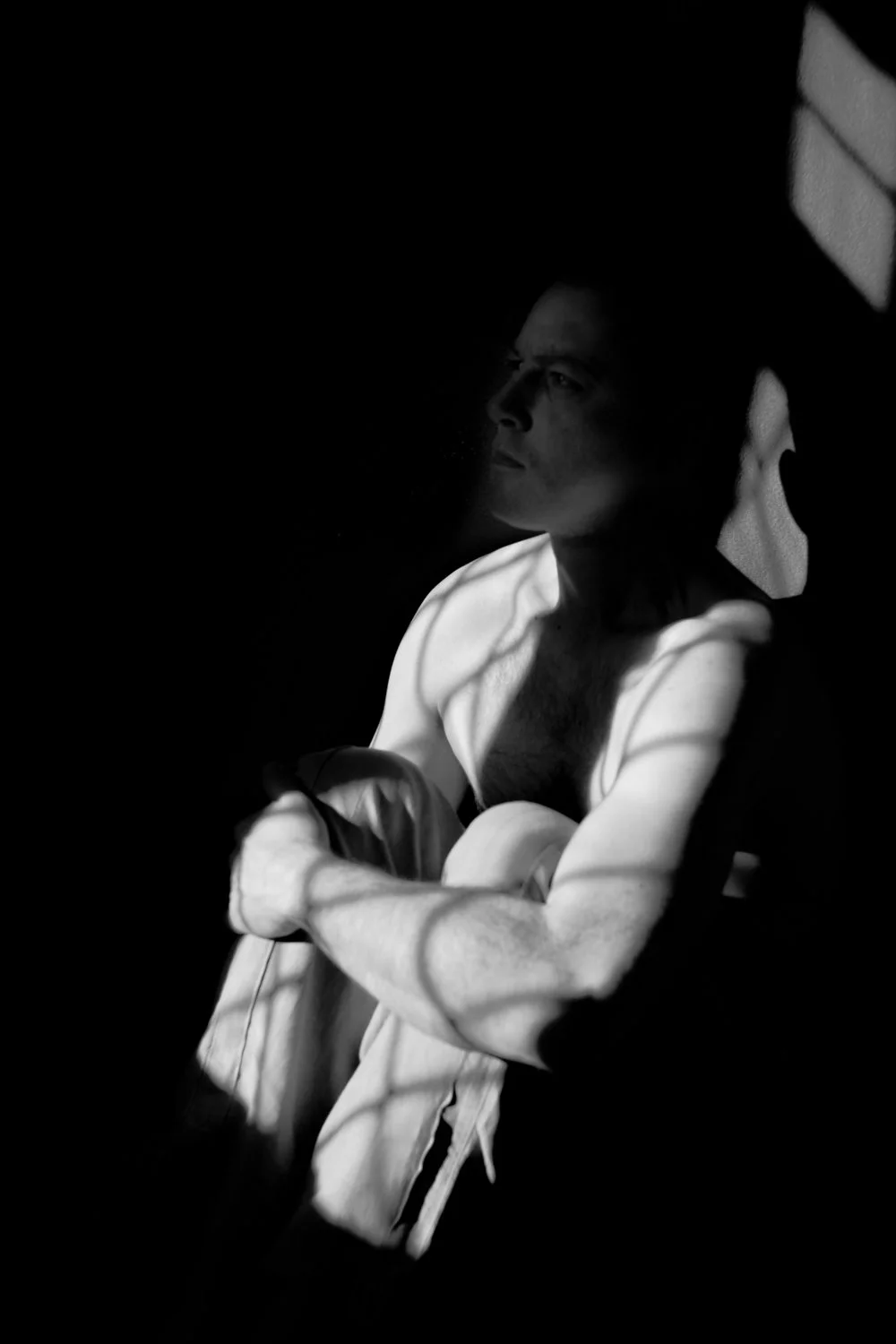
Where Are You?
Observation includes emotional suggestion. Directional light, body language, expression and surrounding darkness can create a mood without imposing one fixed story.
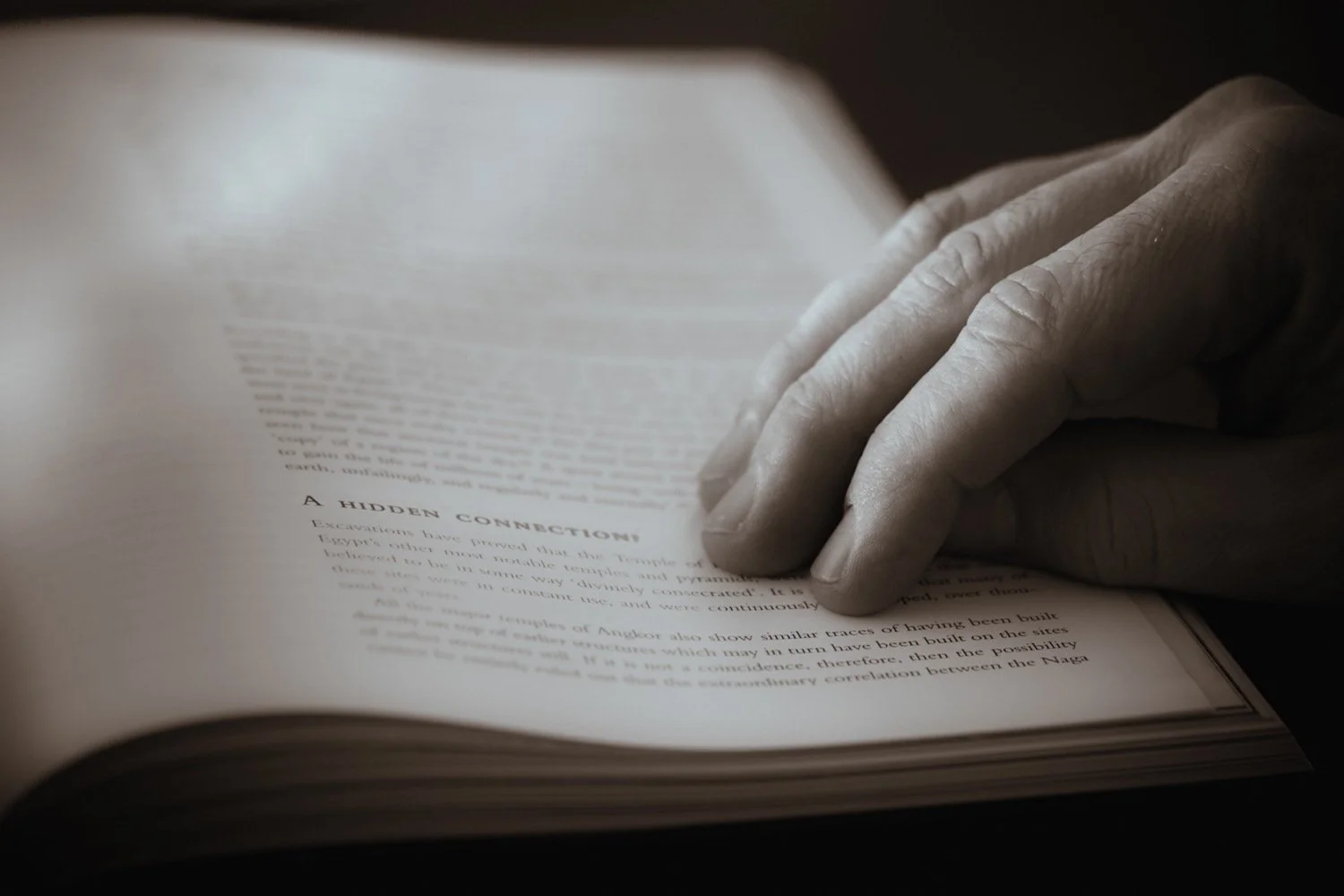
Hidden Connection
A small detail, word or visual connection can provide the reason for a photograph. Meaning develops through the relationship between the hand, the page and the visible words.
These approaches overlap. A photograph may contain movement, relationships, atmosphere and symbolic details at the same time. Start with what genuinely caught your attention and decide which of those connections deserves emphasis.
Cultivating a keen eye: a ten-minute observation exercise
Give yourself time to discover what a place offers. Your first impression may suggest a photograph immediately, but staying with the scene can reveal changes in light, movement and the relationships between subjects.
Try this exercise somewhere you can comfortably spend ten minutes: a stretch of woodland, a street corner, a garden or a view from a window. Keep your camera ready and begin by looking with your own eyes.
Spend ten minutes with one scene
-
Minutes 1–2: notice your first response.
What caught your attention? Identify a subject, detail or feeling that might give you a reason to make a photograph. Keep the camera down while you explore the wider scene. -
Minutes 3–4: follow the light.
Look at where light and shadow fall. Notice reflections, bright patches and changes in colour. Watch whether the light strengthens your initial idea or draws you elsewhere. -
Minutes 5–6: look for relationships.
Notice how shapes, spaces and subjects connect. Does a small change in your position separate overlapping elements, reveal a pattern or give your subject more room? -
Minutes 7–8: watch for change.
Follow movement and repeated behaviour. A person may enter a useful space, a breeze may change a reflection, or a cloud may alter the balance of light. Decide what would make you ready to press the shutter. -
Minutes 9–10: choose your response.
Does your first idea still interest you? If it does, raise the camera and refine the frame. If something else now matters more, follow that. You can also finish the exercise without making a photograph.
Be ready to act throughout. If a fleeting expression, movement or change in light gives you the photograph, take it immediately. The timings guide your practice; they should never make you miss the moment.
Afterwards, record what you noticed
- What changed in the light or the relationships between subjects?
- Did your original picture still interest you after ten minutes?
- What moment were you waiting for, and were you ready when it happened?
A few brief notes are enough. Repeat the exercise on another visit and compare what catches your attention.
You can practise during an everyday walk or on photography workshops and outings. For a more focused variation, choose one theme, such as reflections, gestures or overlapping shapes. The online photography course offers further topics to explore.
For more on giving observation time to develop, read You’re Making Your Photographs Too Soon from my Light & Logic series.
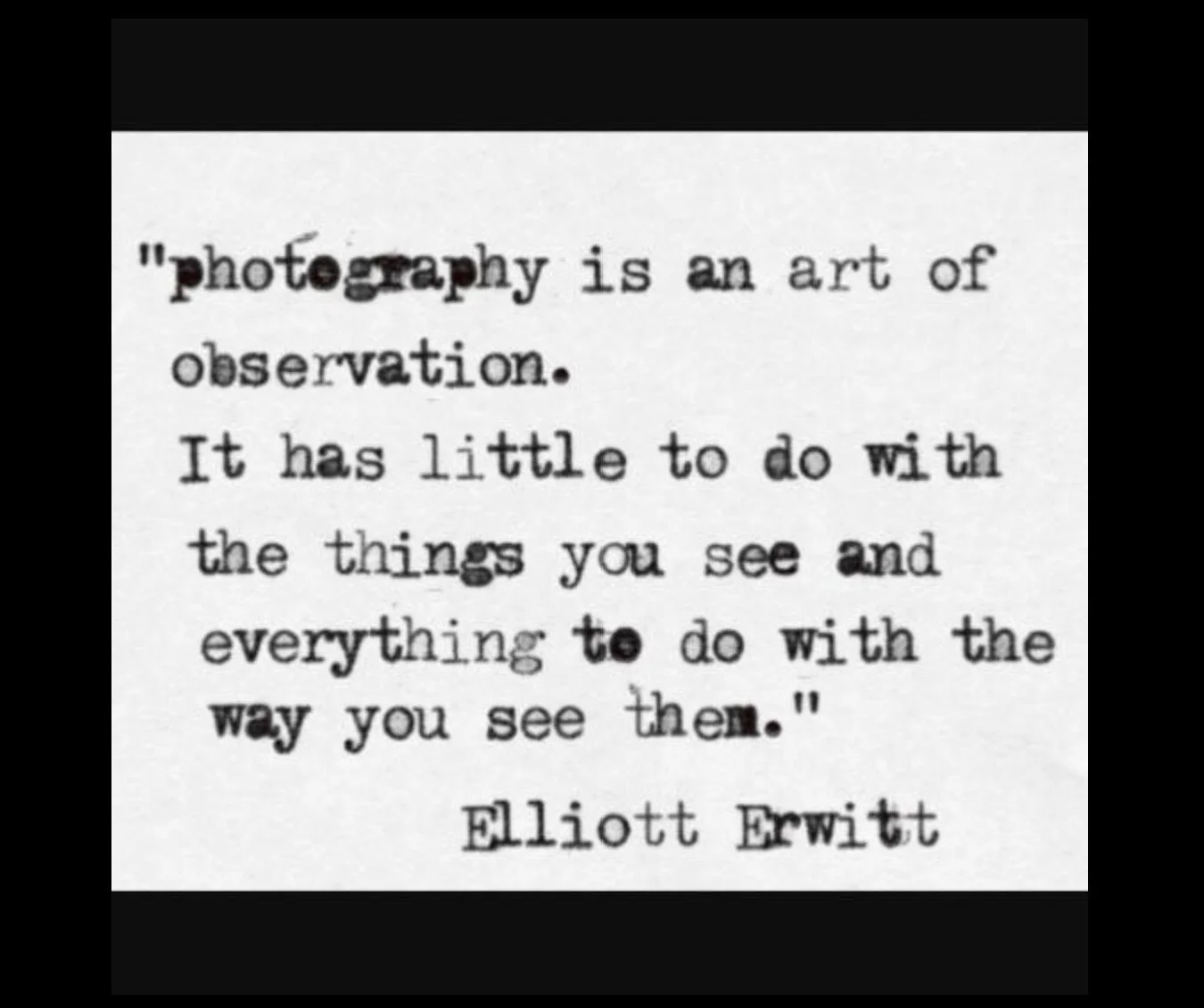
Elliott Erwitt
Give the scene your attention
Messages, camera settings and the urge to check every photograph can repeatedly pull your eyes away from the scene. While you are looking at a screen, a gesture may pass or the light may change. Give yourself periods of uninterrupted looking so you can follow what is happening.
Reduce avoidable interruptions
Silence nonessential notifications during your observation practice. Set your camera for the conditions, then return your attention to the subject. Check an image when you need to confirm exposure, focus or framing; once you have the information you need, look up again.
If you photograph with a phone, keep the camera app ready and leave messages and social feeds for later. The aim is to make more of your time available for watching.
Let the scene change your plan
Reference photographs can give you ideas, but arriving with one exact picture in mind can narrow your search. You may keep looking for the light or viewpoint you expected while overlooking something that is happening beside you.
Reconsider your starting idea as conditions change. A broad landscape might become less interesting than a small reflection. A quiet street scene might become about the relationship between two people. Follow what is holding your attention now.
When you feel stuck, ask a specific question
What have I overlooked?
Look towards the edges of the scene, into the background
and at the spaces between subjects.
What would change if I moved?
Try a small shift to either side or a different camera height.
Notice which elements separate, overlap or disappear.
What might happen next?
Watch the direction of movement or the progress of the light.
Prepare your frame if you can see a useful moment developing.
Make curiosity a practical habit
On your next walk, use the ten-minute observation exercise at one stopping point. You can return to the same place on another day and notice how weather, light and activity change its possibilities.
Stay long enough to explore what interests you, and remain ready to respond. For a related perspective on patience and responding to conditions, read The Way of Wu Wei.
Example: when observation changes the photograph
The broad view across Grasmere was the starting point. The mist, distant trees and open water first attracted my attention.
By continuing to look, I became more interested in the reeds, their reflections and the spaces between them. Moving closer changed the photograph from a general view of the lake into a quieter study of those relationships.
The later frames are not automatically better. They demonstrate how observation can change what the photograph is about. Instead of continuing to refine the first idea, I followed the detail that had begun to hold my attention.
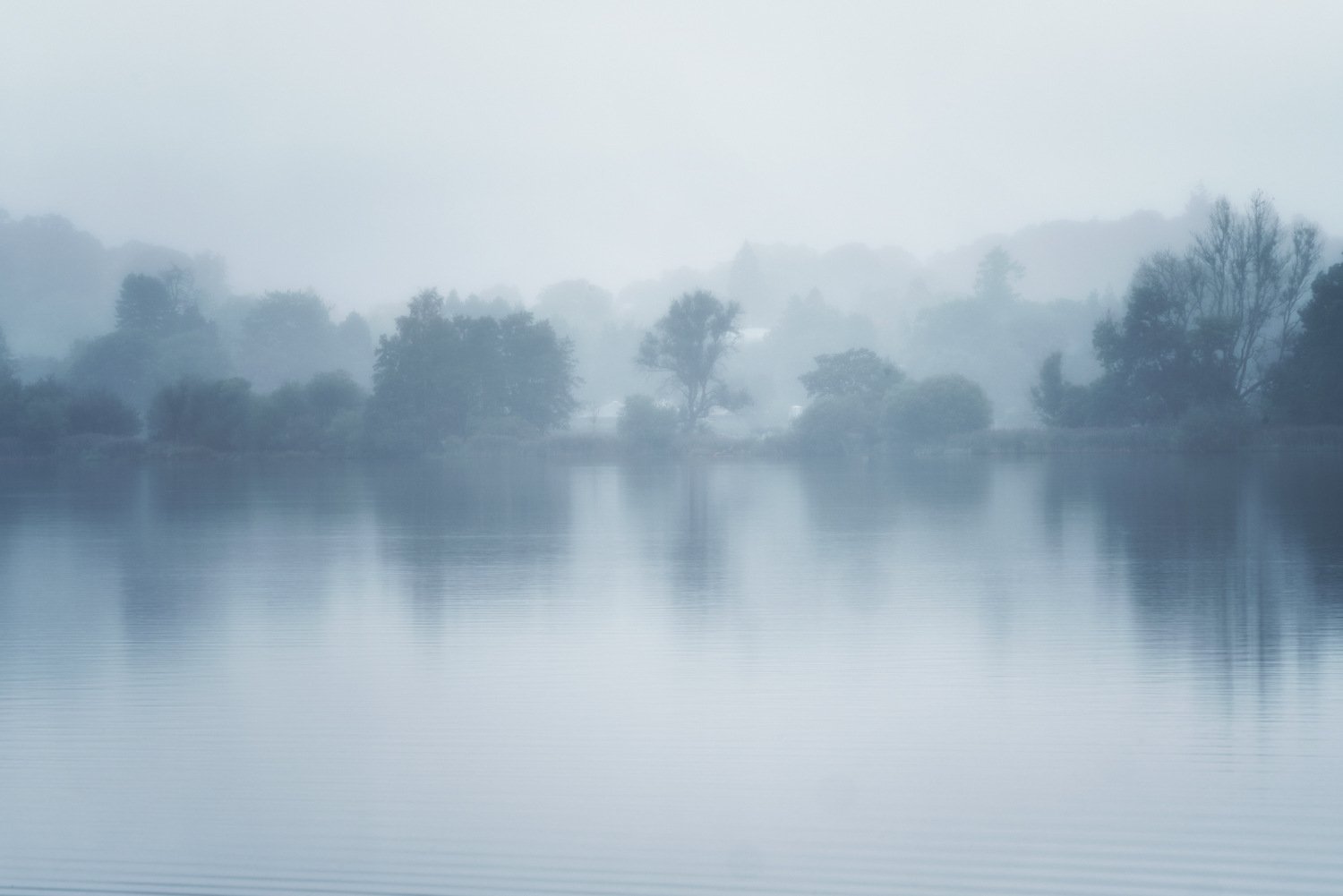
Misty Grasmere lake and distant trees viewed across open water
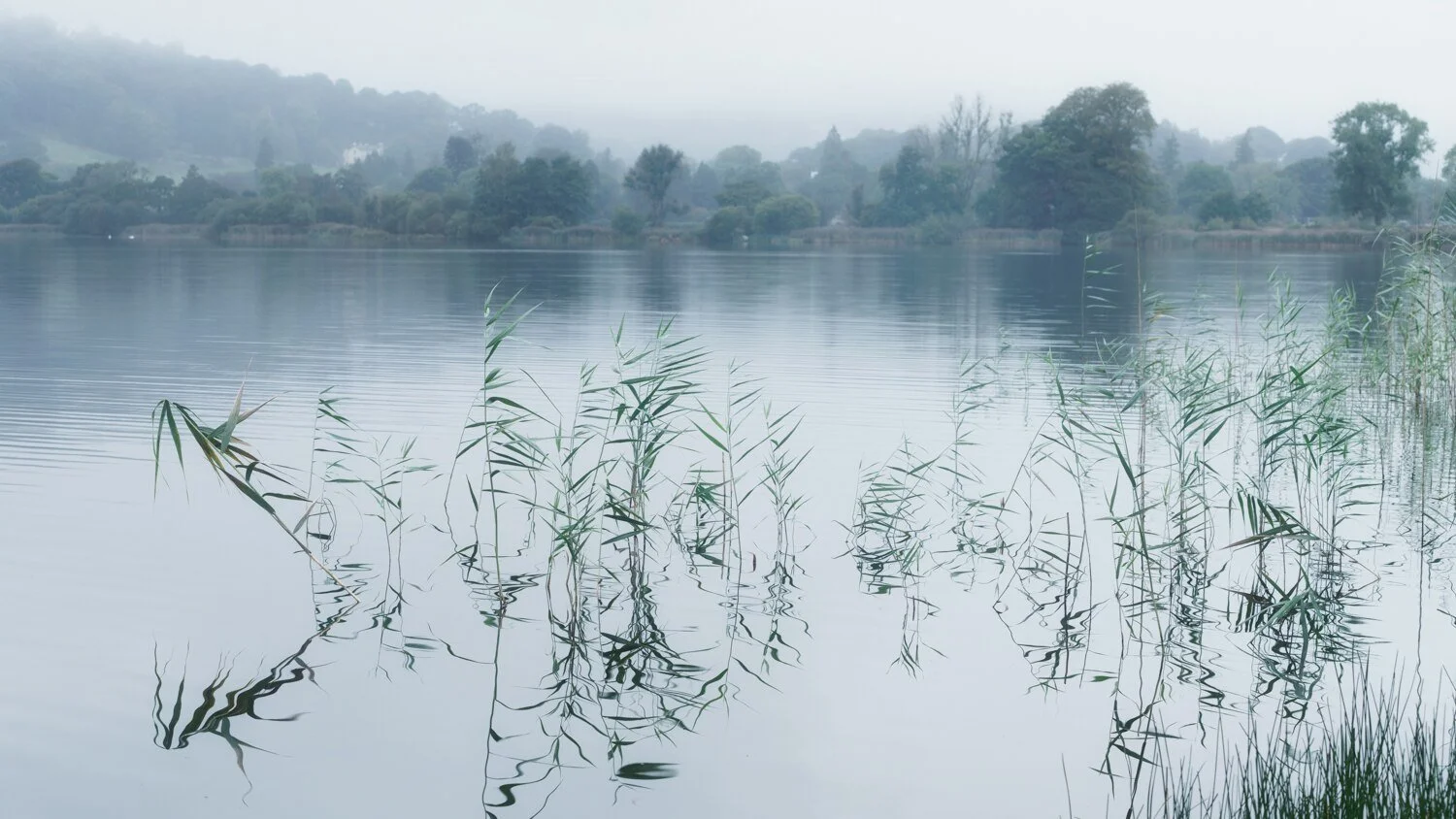
Reeds and their reflections in Grasmere with the misty shoreline behind
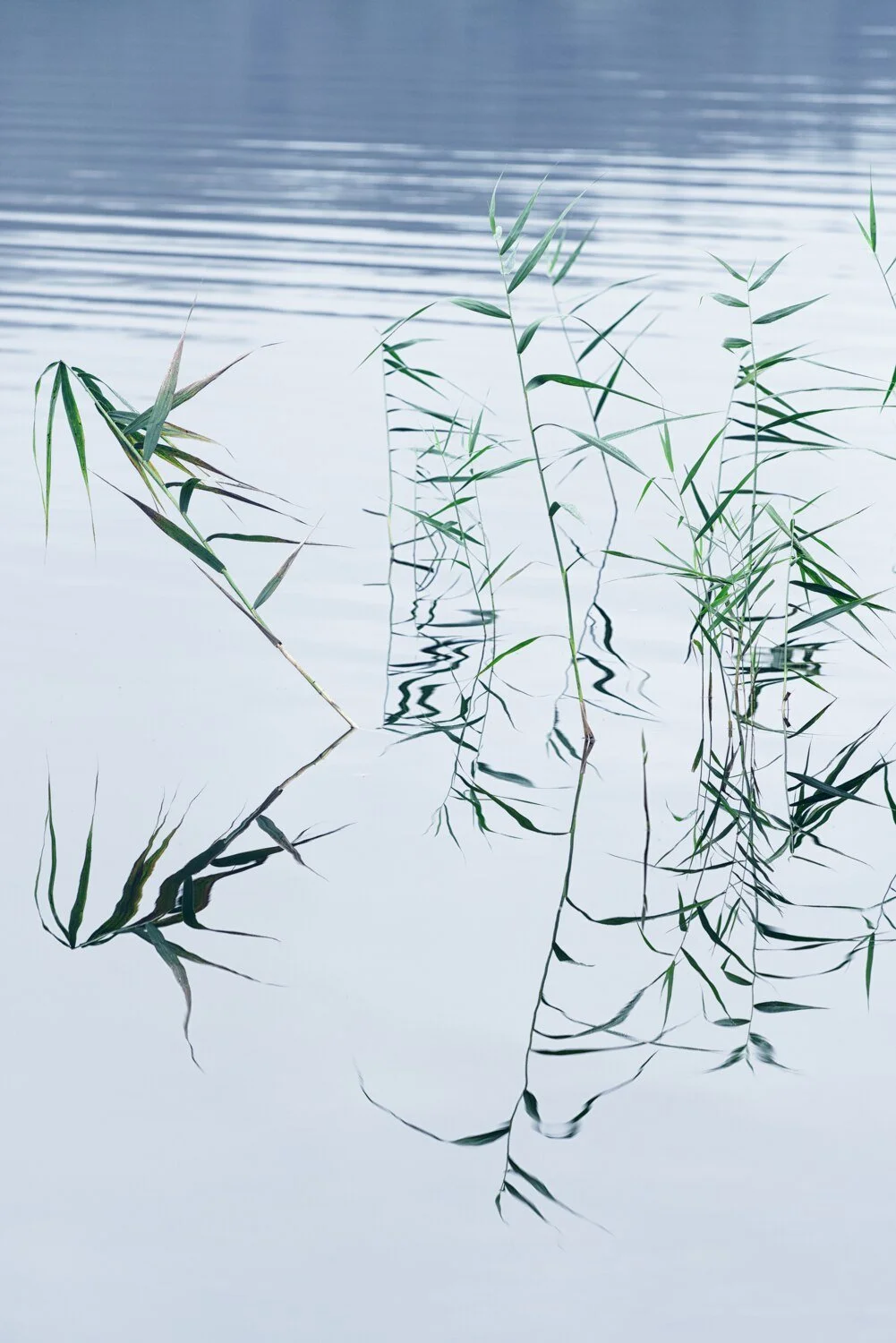
Close vertical view of reeds reflected in calm Grasmere water
How practice develops your photographic eye
You can develop observation by connecting what you noticed at the scene with what appears in your photograph. Each time you compare the two, you have something specific to learn: what came across clearly, what distracted you and what you might watch for next time.
Look beyond the subject that first attracted you
When a subject holds your attention, it is easy to overlook its surroundings. A bright sign, an overlapping branch or a person at the edge may become much more noticeable when you look at the finished photograph.
Practise shifting your attention between the subject and the rest of the scene. Once you have chosen your frame, check whether those surrounding details support what you want to show.
A simple example
You notice a sunlit leaf against dark woodland. Its colour and delicate shape catch your eye, so you take a photograph. When you review it, a bright patch of sky in the corner competes with the leaf.
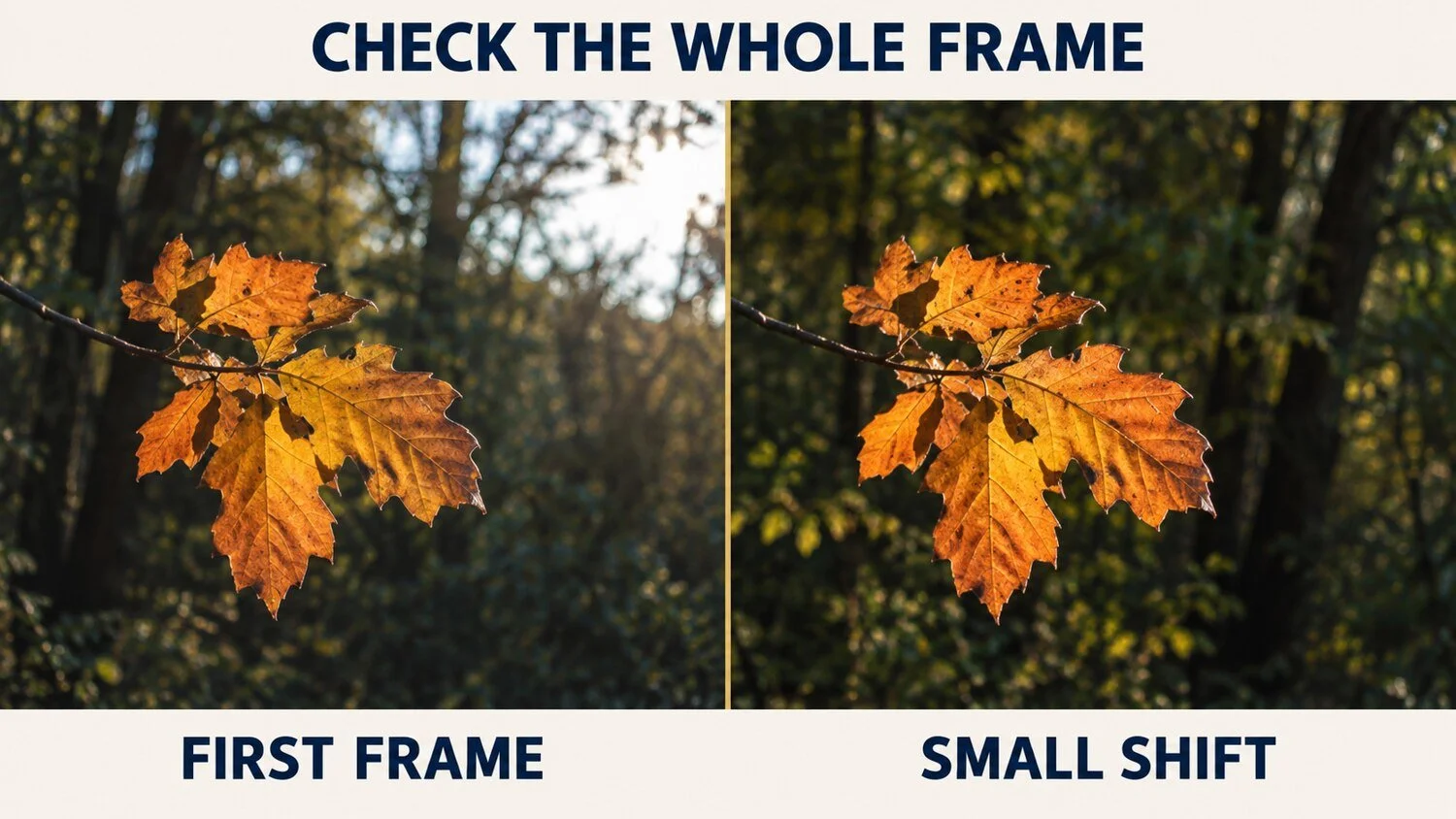
On your next attempt, check the background as well as the leaf. A small change in position may hide the sky while keeping the light that interested you. You now have a specific detail to watch for in similar situations.
Use experience to anticipate
Familiarity with a subject gives you clues about what might happen next. Watching a person repeat an action, waves reach the shore or light move across a landscape can help you choose your position and prepare the camera.
Keep watching as events unfold. If the action or light changes in an unexpected way, adjust your response rather than holding on to the photograph you originally imagined.
Review one decision at a time
After a session, choose a photograph and recall what made you take it. Can you see that reason clearly in the image? Identify one choice about timing, viewpoint or framing that helped, and one you would change.
This gives your next practice session a useful focus. For a fuller review method, continue to Lesson 34: How to Improve Your Photography Composition.
Turn what you notice into a photograph
Once something catches your attention, decide what you want the photograph to communicate. That intention helps you choose your position, timing and camera settings.
Connect observation with a choice
You notice a lone figure in an open landscape.
If the sense of scale interests you, include enough of the
surroundings to show how small the person appears.
You notice a brief exchange between two people.
Watch their gestures and the space between them. Choose a
moment and viewpoint that make their relationship visible.
You notice the rhythm of branches in soft light.
Explore where the shapes overlap and separate. Choose a frame
that makes the pattern clear while preserving the atmosphere
that attracted you.
Use technique to support your intention
Choose depth of field according to how much context matters. Choose shutter speed according to how you want movement to appear. Adjust your viewpoint to organise the relationships you have noticed.
The composition tools in Lesson 26 can help you make these decisions. Start with your reason for taking the photograph, then choose the tools that help express it.
Act intuitively, then reflect
Sometimes you recognise a promising moment before you can explain every choice. Experience with light, subjects and framing can make those responses more familiar. When the moment is brief, take the photograph.
Later, look at whether your response worked. What did you notice, and does the photograph communicate it? Intuition gives you a starting point; reviewing the result helps you understand which decisions to repeat or change. Lesson 34 develops that review process.
Notice what you return to
Over several sessions, you may find yourself drawn to particular subjects, moods or relationships. Pay attention to those recurring interests and give yourself room to explore them.
You do not need to settle on a style before making photographs. For more on recognising and developing those preferences, see Lesson 35: How to Find Your Photography Style.
Photography is an art of observation
A photograph begins with something you notice. Give yourself time to explore what interests you, watch how the scene changes and let that attention guide your choices about framing, timing and technique.
Keep the camera down when it helps you see more of the scene, and be ready to raise it when a moment matters. With practice and thoughtful review, you can learn to recognise opportunities and communicate more clearly what drew you to them.
On your next outing: try the ten-minute observation exercise in one place. Afterwards, choose a photograph and ask: does it show what caught my attention? Use your answer to choose one thing to practise next time.
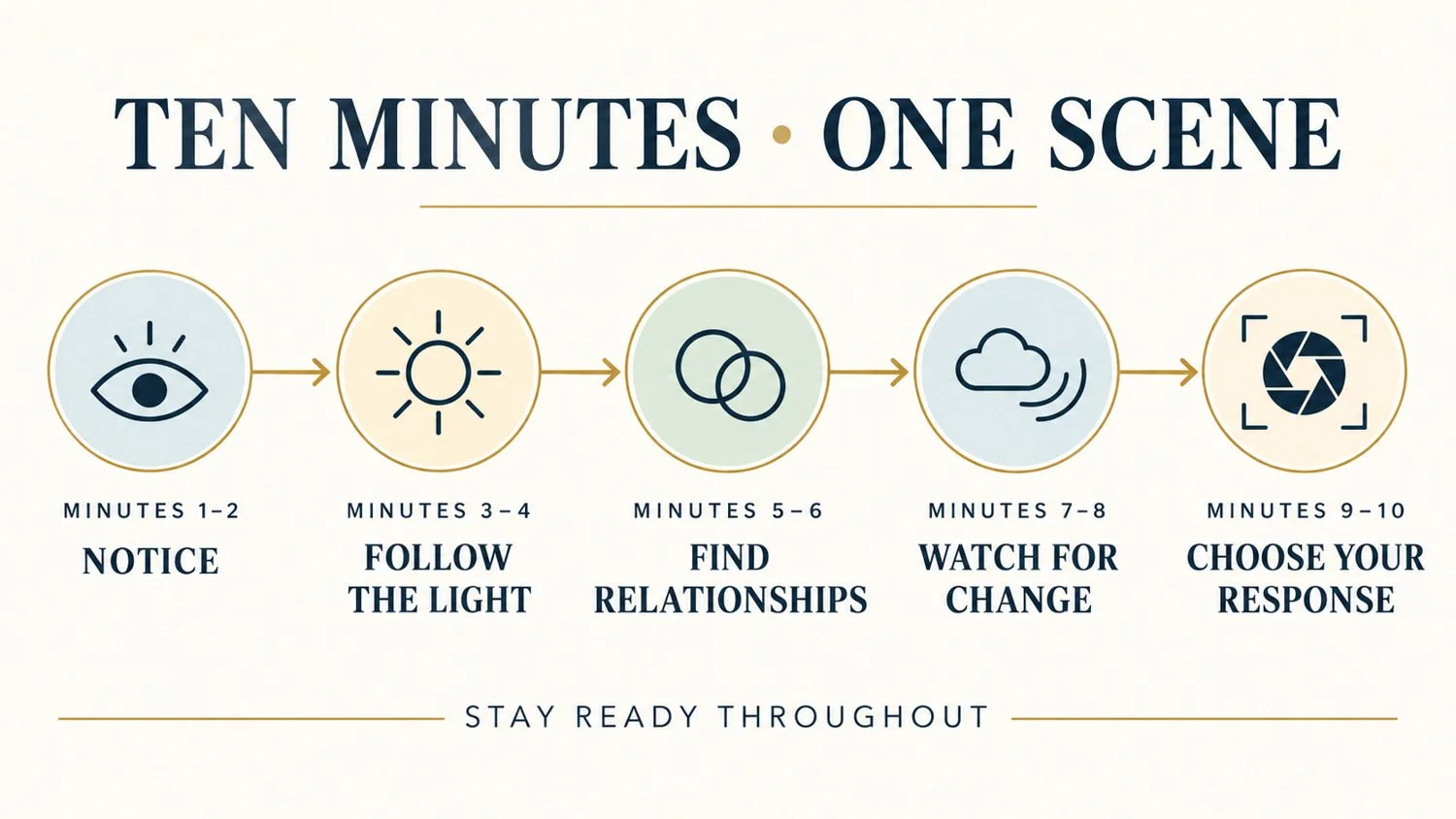
Five-stage ten-minute photography observation exercise from noticing through choosing a response
Sharpen Your Photographic Observation
Download the 1-page field checklist or book live support.
Photography observation: frequently asked questions
Why is photography an art of observation?
Photography involves choosing what deserves attention and how to show it. The photographer notices light, gestures, shapes and relationships, then uses viewpoint, framing and timing to communicate what matters. Different photographers can interpret the same scene in different ways.
How can I improve my observation skills in photography?
Spend time looking before you raise the camera. Notice the light, explore the background and watch what changes. Try the ten-minute observation exercise, then compare what interested you with what appears in your photograph. Choose one specific thing to practise next time.
What is the difference between observation and composition?
Observation is noticing and interpreting what is happening in a scene. Composition is choosing how to arrange what you include within the photograph. Observation gives you a reason to make the picture; composition helps you express that reason. The two work together as you explore and refine your frame.
Should I always wait before taking a photograph?
No. Waiting can help you discover possibilities, but a fleeting expression, movement or change in light may need an immediate response. Keep your camera ready. Observation practice should help you recognise when to act, and you can continue exploring after capturing the moment.
Can I develop a photographic eye using a phone?
Yes. You can practise noticing light, choosing a viewpoint, watching movement and checking the edges of your frame with a phone. These decisions apply whatever camera you use. Keep the camera app ready and reduce interruptions while you observe.
What should I look for when a scene seems ordinary?
Look for a change in light, a reflection, a repeated shape, a gesture or an unexpected relationship between subjects. Try moving a little or changing your camera height. An ordinary location can offer interesting details, although you do not need to make a photograph every time you stop.
How does observation help with storytelling in photography?
Observation helps you notice the gestures, surroundings and relationships that give a photograph context. Your timing and framing determine which of those clues the viewer can see. Explore this further in The Art of Storytelling in Photography.
How do I know whether my observation led to a successful photograph?
Recall what caught your attention, then look at whether it comes across clearly in the image. Check what competes with it and whether your timing and viewpoint helped. The review process in Lesson 34 will help you assess those choices.
Continue learning
Next, learn how to review your photographs and use what you discover to improve your composition.
Next: Lesson 34 — Improve Your Photography Composition →Related lessons
- Lesson 26: Photography Composition Rules — choose tools that support your intention.
- Lesson 28: The Art of Storytelling in Photography — use details and relationships to communicate meaning.
- Lesson 31: What Is Contrast in Photography? — explore differences in light, colour and subject.
Personal support: bring your photographs to an Image Reviews Clinic (30 minutes, £29) for feedback on your choices and what to practise next.