
The Art of STORYTELLING PHOTOGRAPHY: Capturing Moments
Updated 16 Oct 2026
Lesson 28 · Observation
Turn what you notice into a story
Storytelling photography begins with recognising a meaningful moment, relationship or detail. The photograph then gives the viewer enough visual information to understand, imagine or feel what is happening.
Observe before deciding how to frame the scene. Notice the gestures, surroundings, light and timing that contribute to its meaning.
A photograph does not need to explain an entire event. A single expression, relationship or carefully chosen detail can suggest what happened before the frame and invite the viewer to imagine what may happen next.
Three things to take from this lesson
Notice the relationship
Look for gestures, expressions and connections between people, objects and their surroundings.
Choose what the viewer needs
Include details that provide context and remove elements that compete with the moment or meaning.
Use timing with purpose
Watch how the scene develops and choose the instant when gesture, light and arrangement communicate most clearly.
Academy Composition Framework · Lesson 28
Where this lesson fits
Notice the gestures, surroundings and relationships within a scene. Decide what they suggest, then use timing and composition to make that meaning visible to the viewer.
SEE → FEEL → TECHNIQUE
Observation
What is actually happening here?
Your focus in Lesson 28: recognise the moments, relationships and contextual details that suggest a story. Choose the frame and timing that allow the viewer to discover that meaning.
Video 3 · Observation
The Observation group connects these two lessons:
- 33 — Observation — develop attention to light, moments and relationships.
- 28 — Storytelling · you are here — use what you notice to communicate mood, context and meaning.
The four themes work together throughout photography. Return to any of them whenever it helps you reconsider a choice. The Academy’s numbered lesson route remains unchanged.
Explore the full Photography Composition Framework →
Table of Contents Show
⏱️ CHAPTERS
00:00 - Introduction: Composition with Observation
01:24 - Lesson 33: Observation - Recognizing Worthwhile Moments
02:12 - Camera Down vs Camera Raised
02:38 - Perspective Starts with Attention
03:04 - 4 Starting Points: Sequence, Movement, Mood & Association
04:16 - Beyond First Impressions: Grasmere In-Camera Study
05:30 - The 10-Minute Observation Practice Routine
06:39 - 4 Key Principles of Observation
07:05 - Lesson 28: Photographic Storytelling
07:42 - Observable Evidence vs Interpretation (The Spinning Wheel)
08:20 - The Narrative Spectrum: Clear, Inferred & Open
09:32 - Mystery vs Confusion in Storytelling
09:52 - Telling Stories Across Different Genres
12:54 - The 3-Version Challenge: Clear, Inferred & Open
13:42 - 3 Rules for Visual Storytelling
14:10 - Summary: Observation Finds Evidence, Storytelling Reveals It
What is storytelling photography?
Storytelling photography uses visible details, relationships, setting, light and timing to help a viewer understand, imagine or feel something about a subject. It can describe an event clearly, suggest a meaning through clues, or leave space for several interpretations.
Storytelling does not require a complete plot, a beginning, middle and end, or one correct interpretation. It means arranging visible evidence so the viewer can recognise, infer or feel a relationship, event, place or change.
A photograph does not have to explain everything. The important decision is how much the viewer needs to see, how much they can reasonably infer and what you intend to leave unresolved.
Begin with observation
Before choosing a camera setting or composition technique, look at what is actually happening. Notice gesture, expression, surroundings, light and the small details that give the scene its character. Lesson 33: Photography is an Art of Observation develops this attention.
Move from a record to an interpretation
A record shows that something was there. A storytelling photograph also communicates the photographer’s response to it. Framing can reveal or withhold context; timing can change a relationship; light and viewpoint can make the same subject feel literal, illustrative or metaphorical.
Separate what is visible from what is assumed. Cropping away context can strengthen a story, but it can also alter or distort the viewer’s understanding. Make that choice consciously, especially when photographing real people and events.

Why visual storytelling matters
Viewers encounter photographs quickly and often without any explanation. A strong narrative gives them a reason to pause. It provides visual clues that help them recognise a situation, respond emotionally or become curious about what lies beyond the frame.
The subject does not need to be dramatic. A quiet interaction, an empty chair, a repeated gesture or the way light falls across a familiar place can all suggest a story. Meaning develops through the relationship between the subject, its surroundings and the moment you choose.
Give the viewer context
Surroundings, objects and background details can explain where the moment is taking place and why it may matter.
Create an emotional connection
Expressions, body language, light and space can suggest intimacy, tension, isolation, energy or calm without relying on words.
Make deliberate choices
Decide which details support the story and which distract from it. Composition becomes a way to clarify meaning.
A record photograph
Shows the subject or event clearly but may depend on the photographer’s personal memory to explain why the moment was significant.
A storytelling photograph
Uses visible clues, relationships and timing to help someone outside the event understand or imagine its significance. The techniques explored in Lesson 26 support the story when they are chosen for that purpose.
Different photographs tell stories in different ways
A sporting event may offer an immediate action and outcome. A portrait can reveal a person through gesture and surroundings. A landscape may communicate through atmosphere, evidence and the relationship between place and human activity.
The viewer does not need to reach one fixed conclusion. Your task is to decide how much information the frame should provide, and what you are willing to leave open.
The story may happen in a fraction of a second

Surroundings can tell us who someone is

A landscape can describe a relationship
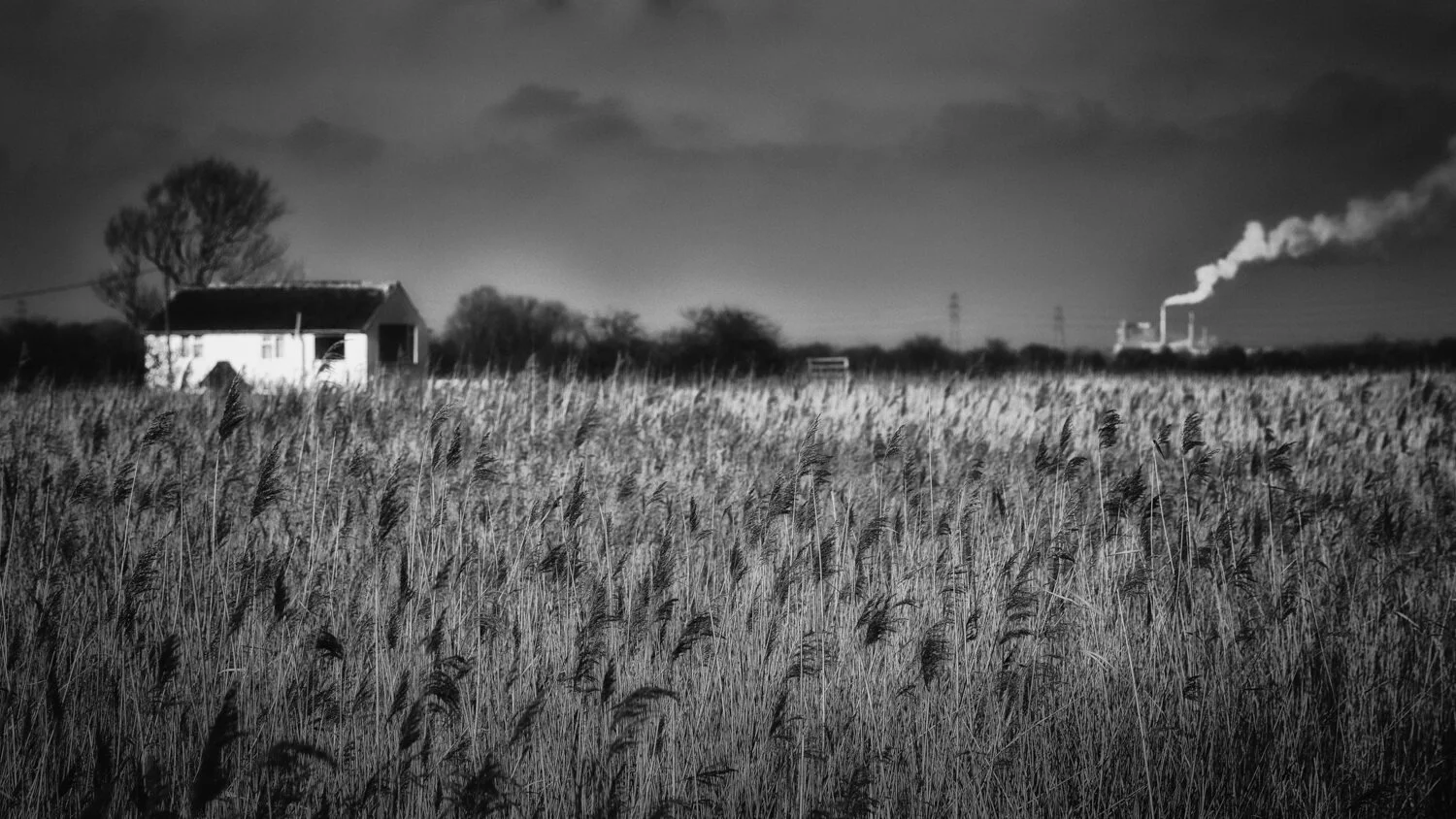
What remains can suggest what happened


Some stories remain deliberately open

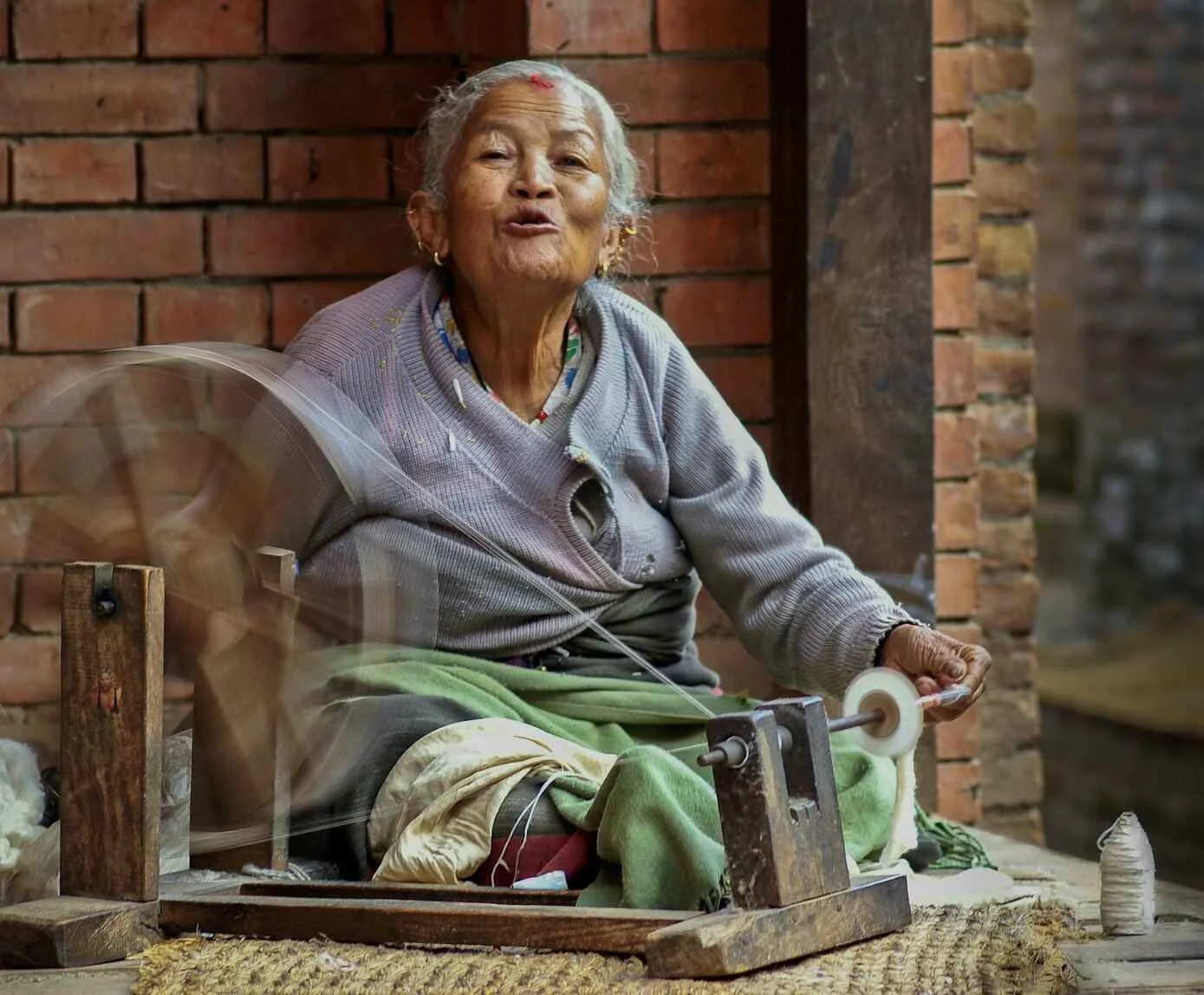
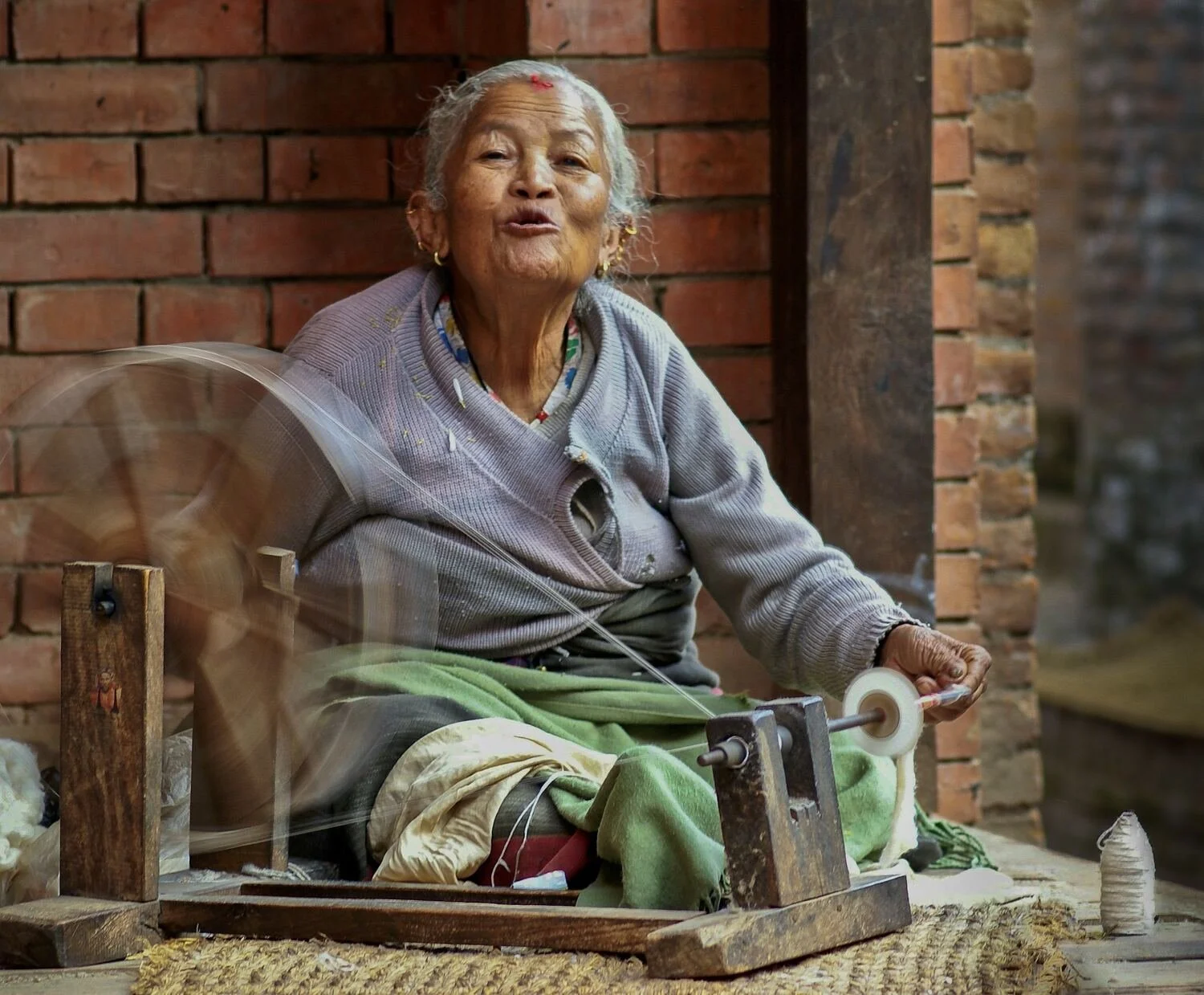
Environmental portrait: the woman’s expression, hand movement, spinning wheel and working surroundings tell the story together. The blurred wheel records action, while her direct engagement gives the photograph warmth and personality. Removing the tool or setting would leave a portrait but weaken the account of her skill and daily work.
Decide how much the photograph should explain
Storytelling is a decision about evidence and interpretation. Start with what you noticed, then choose whether the viewer should recognise the event immediately, discover it through clues or remain uncertain.
Show the decisive relationship
Use gesture, expression, action and enough setting to make the situation readable. This often suits sport, events and documentary moments where timing carries the story.
Let clues do part of the work
An object, trace, empty space or relationship can suggest something outside the frame. The viewer completes the connection, but their interpretation is still grounded in visible evidence.
Use ambiguity with purpose
Atmosphere, abstraction and metaphor can leave several readings possible. Give the eye enough structure, repetition or tension to explore so uncertainty feels intentional rather than accidental.
Ambiguity is different from confusion. Mystery leaves useful clues while withholding an answer. Confusion gives the viewer no clear relationship, emphasis or reason to keep looking.
Framing changes meaning. Before excluding context, ask whether the tighter photograph clarifies your response or creates a misleading account of the subject.

Open narrative: the shoe is visible evidence, but its owner and the preceding event remain outside the frame. The long exposure makes the sea feel suspended and uncertain, encouraging several possible readings without proving any one of them.
Use composition, light and editing to support the story
Technique becomes useful when it helps the viewer recognise what matters. Each decision should strengthen the moment, relationship or atmosphere you noticed rather than draw attention to the technique itself.
Guide attention through the frame
Decide where the viewer should look first and what they should discover afterwards. Position, scale, visual pathways and the spaces between elements can establish both meaning and pace.
Use leading lines when they connect important elements, and compositional balance to control how visual weight is distributed.
Use light to shape atmosphere
Soft light can suggest quietness or intimacy. Strong directional light can create tension, separation or drama. Backlight may conceal detail and introduce mystery, while side light can reveal texture and depth.
Look at where the brightest and darkest areas fall. The contrast within the scene affects what attracts attention and how the photograph feels.
Reinforce what was already present
Use colour, brightness and contrast to support the atmosphere you experienced. A restrained edit can clarify the subject, control distractions and maintain consistency across a sequence.
Avoid processing every element for maximum impact. If every area demands attention, the visual hierarchy and the story become harder to read.
Keep the reason visible: before applying a technique, ask what it contributes to the meaning of this particular photograph.

Place and atmosphere: repetition and the receding promenade lead the eye through an otherwise empty scene. The lack of people, wet surface and dark sky suggest a coastal location outside its busy season; colour keeps the mood from becoming entirely bleak.
How to create a storytelling photograph
Use this five-step process with a person, place, event or everyday scene. You can plan parts of the photograph in advance, but remain ready to respond when the subject or conditions offer something unexpected.
-
Choose what interests you
Identify the moment, relationship or detail that made you stop. Put the reason into a short sentence before deciding how to photograph it.
-
Learn what the subject is doing
Watch repeated actions, changes in expression and the way the subject relates to its surroundings. This helps you anticipate a meaningful moment instead of reacting after it has passed.
-
Decide how much context to include
Move closer if gesture or expression carries the story. Frame more widely when the environment, other people or surrounding objects help explain what is happening.
-
Explore viewpoint and timing
Try a different height or position and notice how relationships change. Prepare the frame, then wait for the gesture, movement or light that brings its elements together.
-
Review whether the meaning is visible
Look at the finished photograph without relying on your memory of the event. Check whether the important detail is clear and whether anything competes with it.
One useful review question
If another person saw this photograph without a caption, what could they reasonably understand or feel? Continue the review process in Lesson 34: Improve Your Photography Composition .
Storytelling photography ideas to practise
Choose one prompt for a short photographic exercise. Work with what is available rather than searching for an extraordinary subject. The aim is to recognise how ordinary details can suggest context, emotion and change.
Photograph a relationship
Look at how two people, objects or shapes respond to one another. Distance, gesture and direction of attention can suggest connection, tension or separation.
Show evidence of change
Photograph weather, wear, movement or human activity that reveals how a place or subject is changing over time.
Use one object as a clue
Find an object that suggests a person, activity or earlier event without showing everything directly. Let the viewer make the connection.
Follow a repeated routine
Observe a familiar action and notice its sequence. Anticipate the gesture or arrangement that communicates the routine most clearly.
Create a sense of place
Combine a wider view with smaller details that reveal the atmosphere, character and activity of a location.
Photograph absence
Use an empty space, abandoned object or trace of activity to suggest someone or something beyond the frame.
One subject, three ways of telling the story
Choose one situation and make three distinct photographs. Keep the subject consistent so you can see how context, omission and visual clues change the viewer's experience.
Include enough action, relationship and setting for the viewer to understand the situation immediately.
Show selected clues and allow the viewer to complete a connection that remains grounded in visible evidence.
Withhold the answer while retaining enough structure, emphasis or tension to make the uncertainty feel intentional.
Review the three together: What does each version state, what does it suggest, and what does it leave unresolved? Ask another viewer what they can see before explaining your intention.
Keep the exercise focused: make several variations, then choose the photograph that communicates the idea with the least explanation.
How different genres tell different kinds of story
A photographic story may be explicit, inferred or deliberately open. The evidence also changes with the subject: a portrait may rely on expression, an event on timing, a ceremony on recognisable symbols and a landscape on atmosphere or traces of human presence. The examples below show several approaches rather than one formula.
Studio portrait: construct the narrative deliberately
In a studio there may be no surrounding location to explain who the person is. Lighting, pose, expression, clothing and props therefore carry more responsibility. The photographer can build a precise character study, but every controlled choice influences how the viewer reads that person.

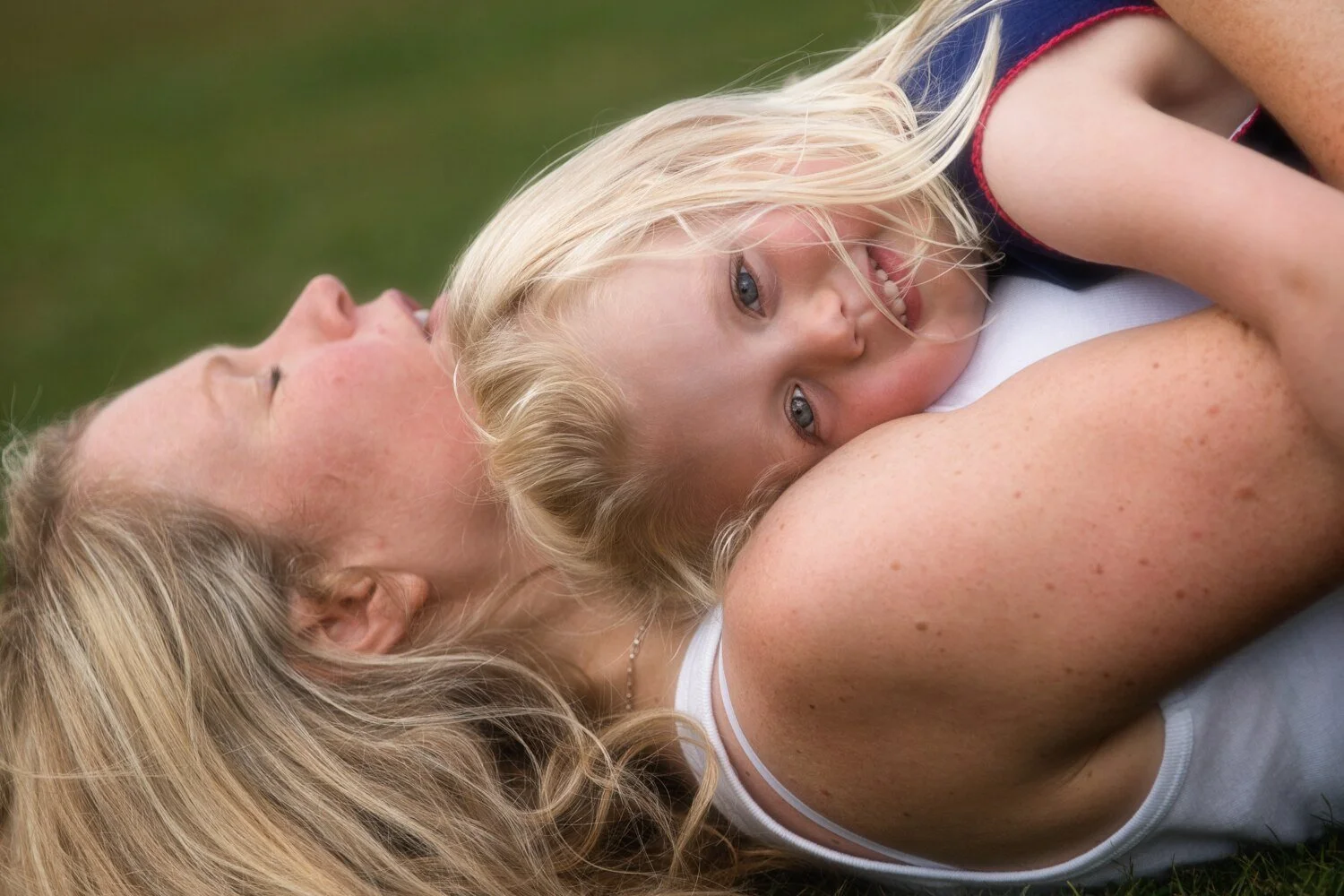
Families: photograph relationships rather than arrangements
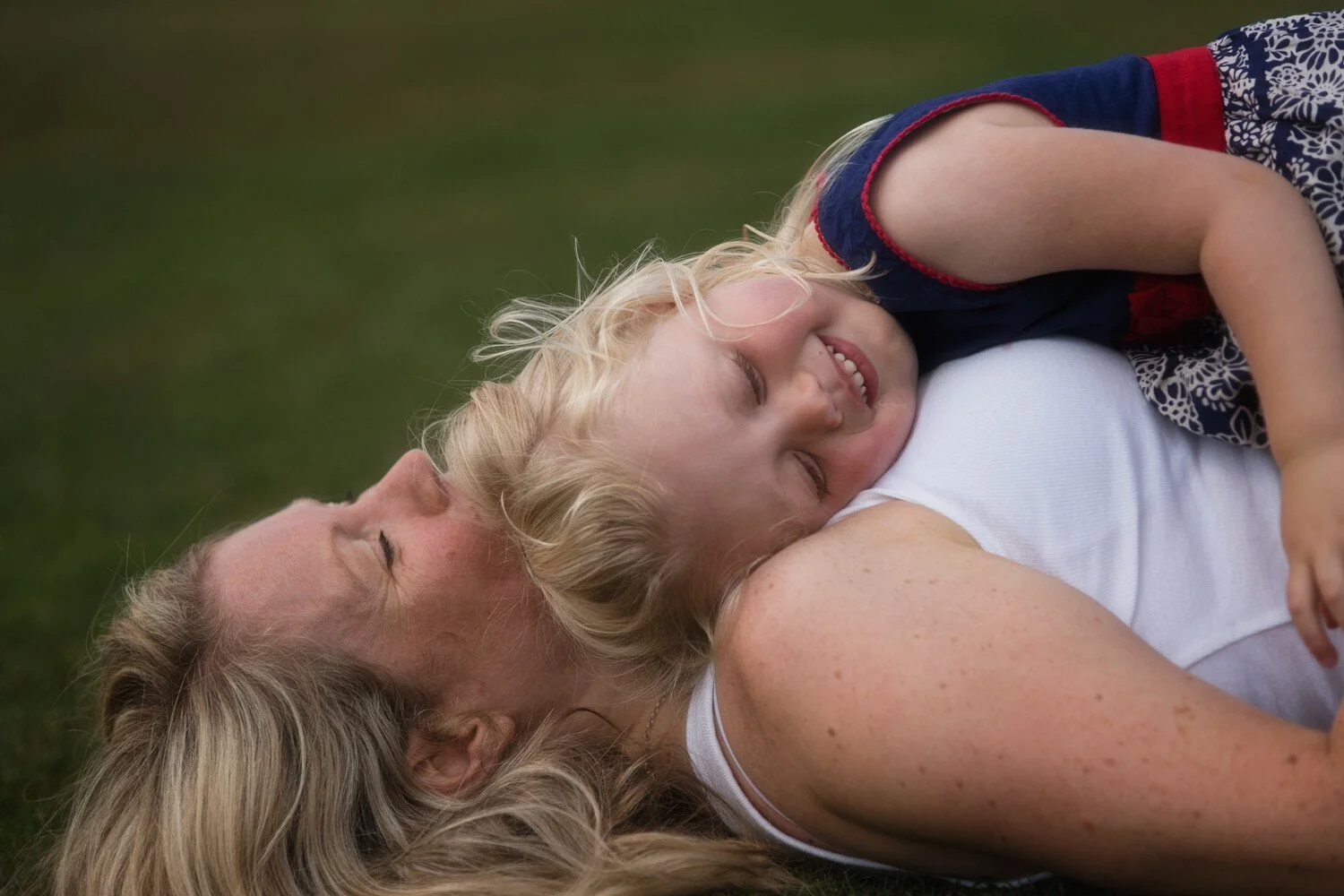
Family photographs become more revealing when touch, shared attention and spontaneous gesture show how people relate. A closer viewpoint can emphasise intimacy; a wider frame may explain the activity and setting.
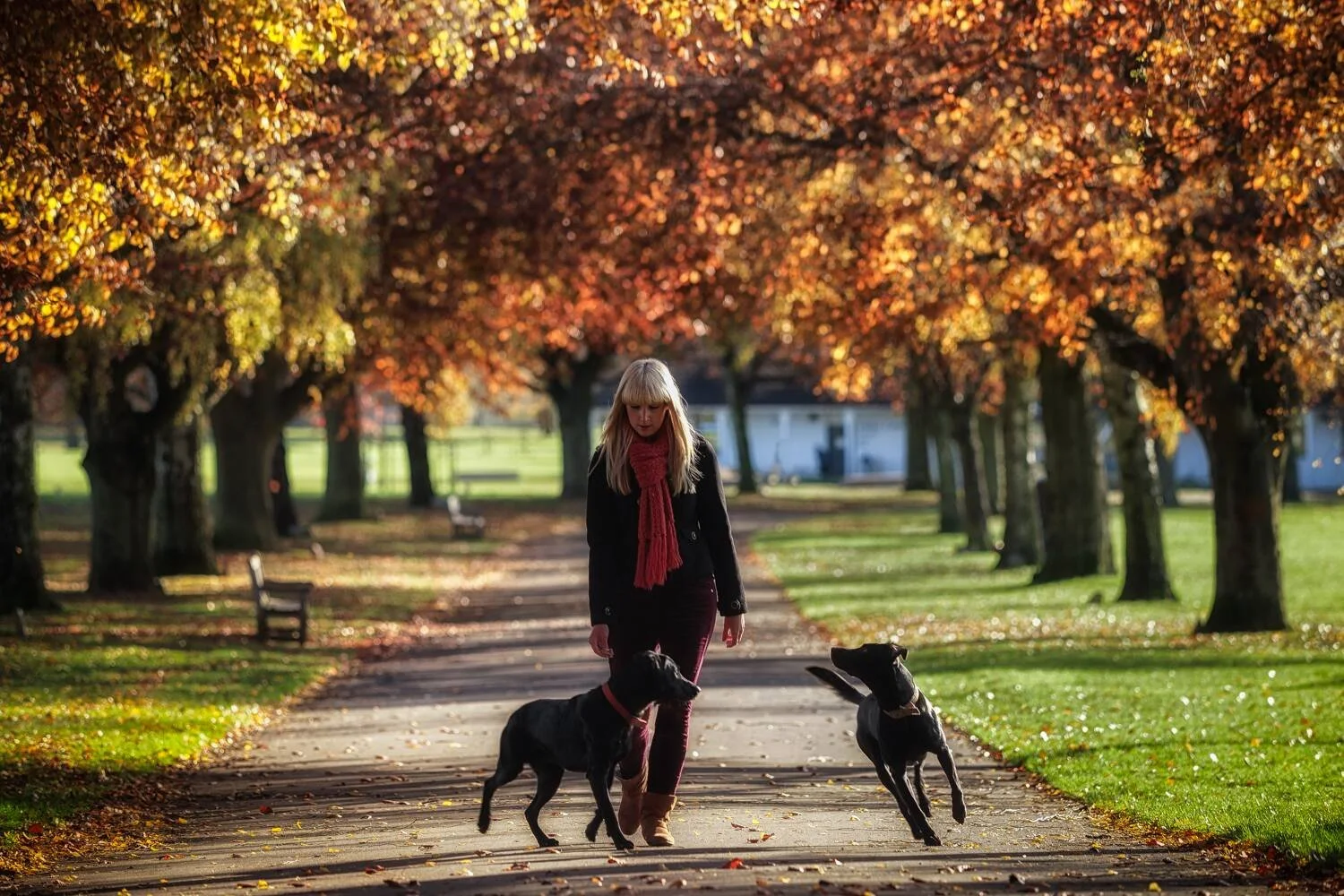
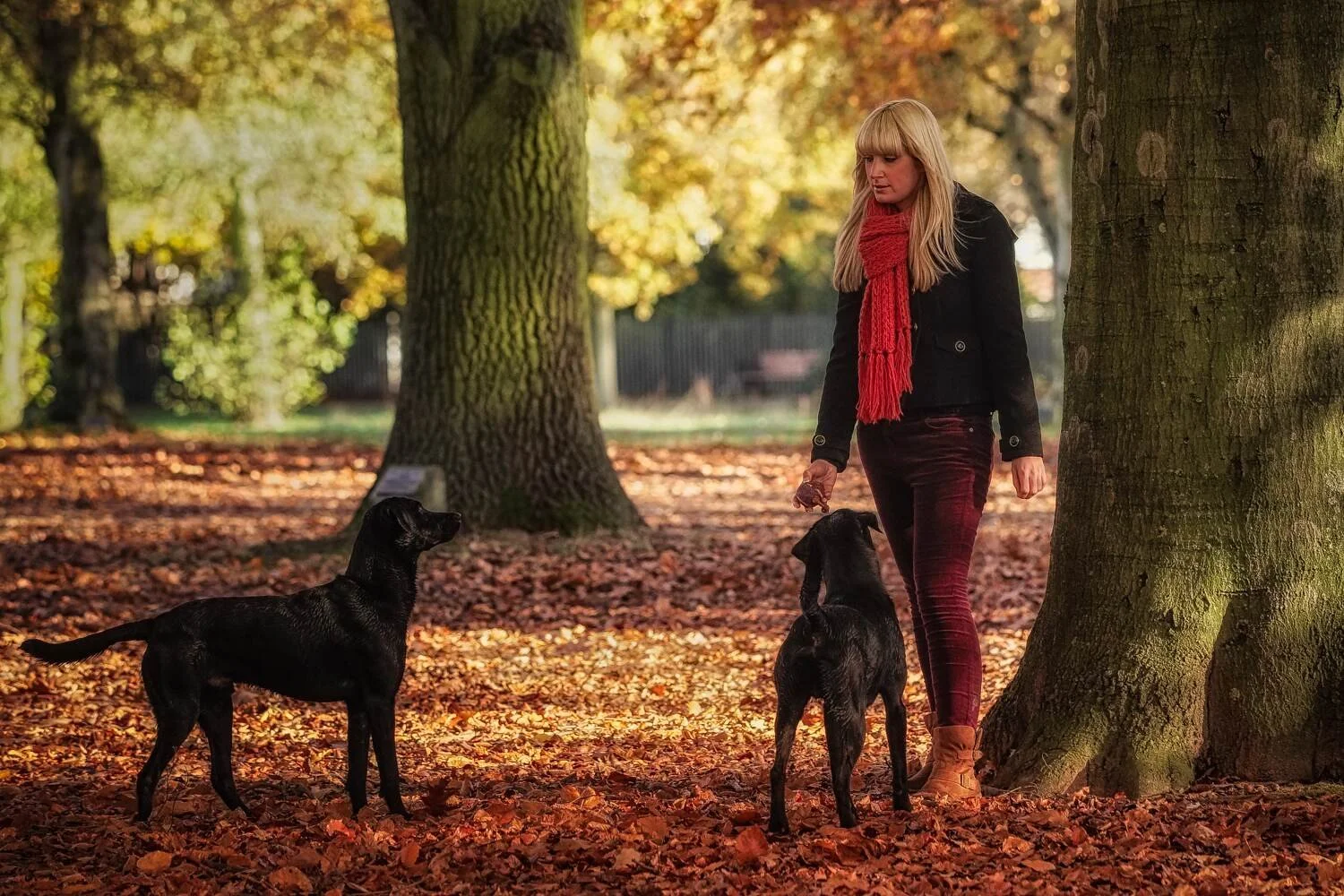
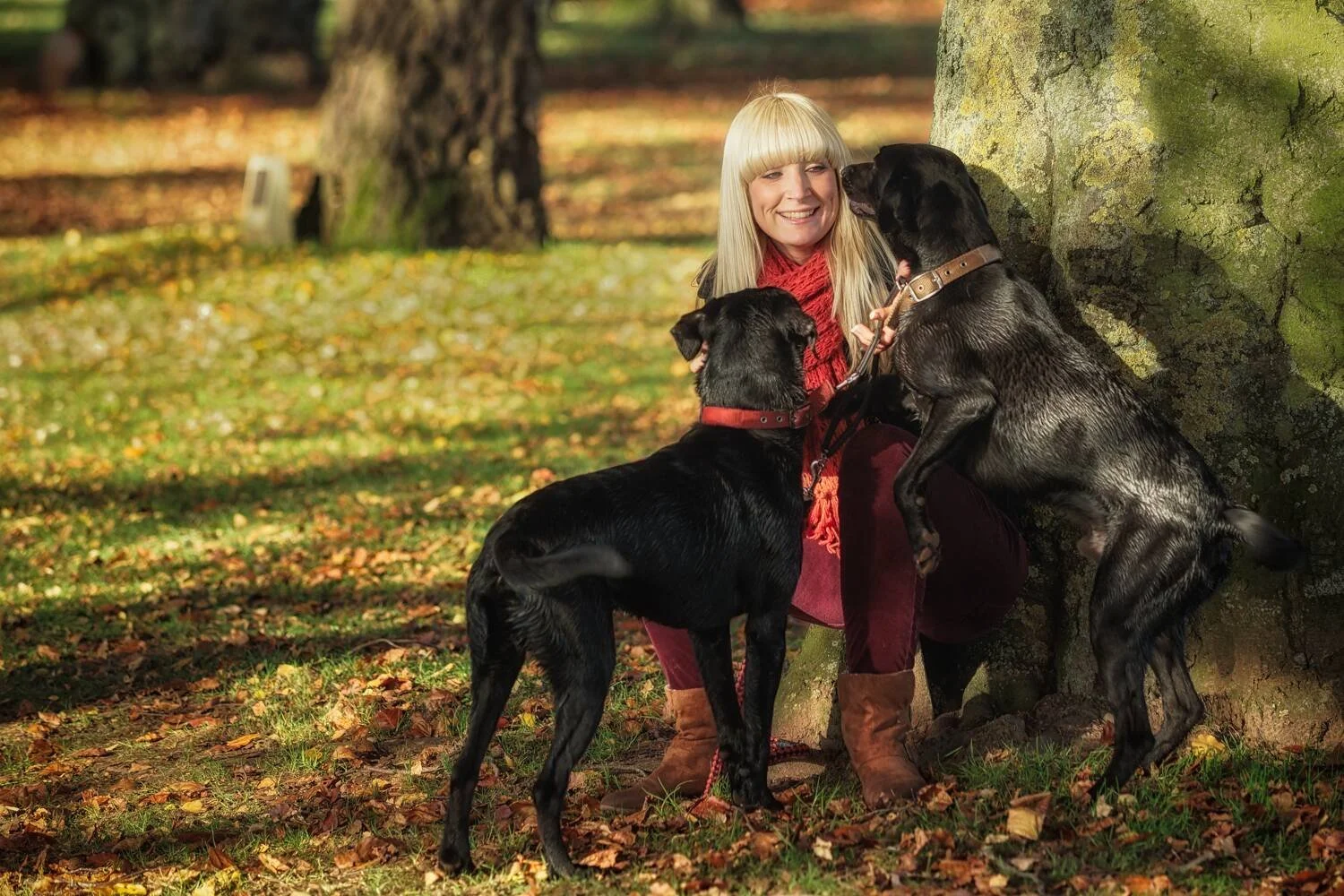
One woman and her dogs: a small sequence reveals more
A single photograph can describe appearance. A short sequence can show companionship through movement, cooperation and rest. The images do not need to repeat the same information; each should add another part of the relationship.
Sport and events: anticipation, action and consequence
Sport offers a visible event, but the strongest story is rarely just the peak action. Position yourself to show the challenge, the human response and what follows. Reaction can reveal effort, support or disappointment more powerfully than the action alone.

Graduation and ceremony: combine public symbols with private emotion
Gown, architecture, signs and institutional lettering make the occasion immediately recognisable. They provide context, but expression, gesture and relationships decide whether the result feels like a record of the event or a personal story.



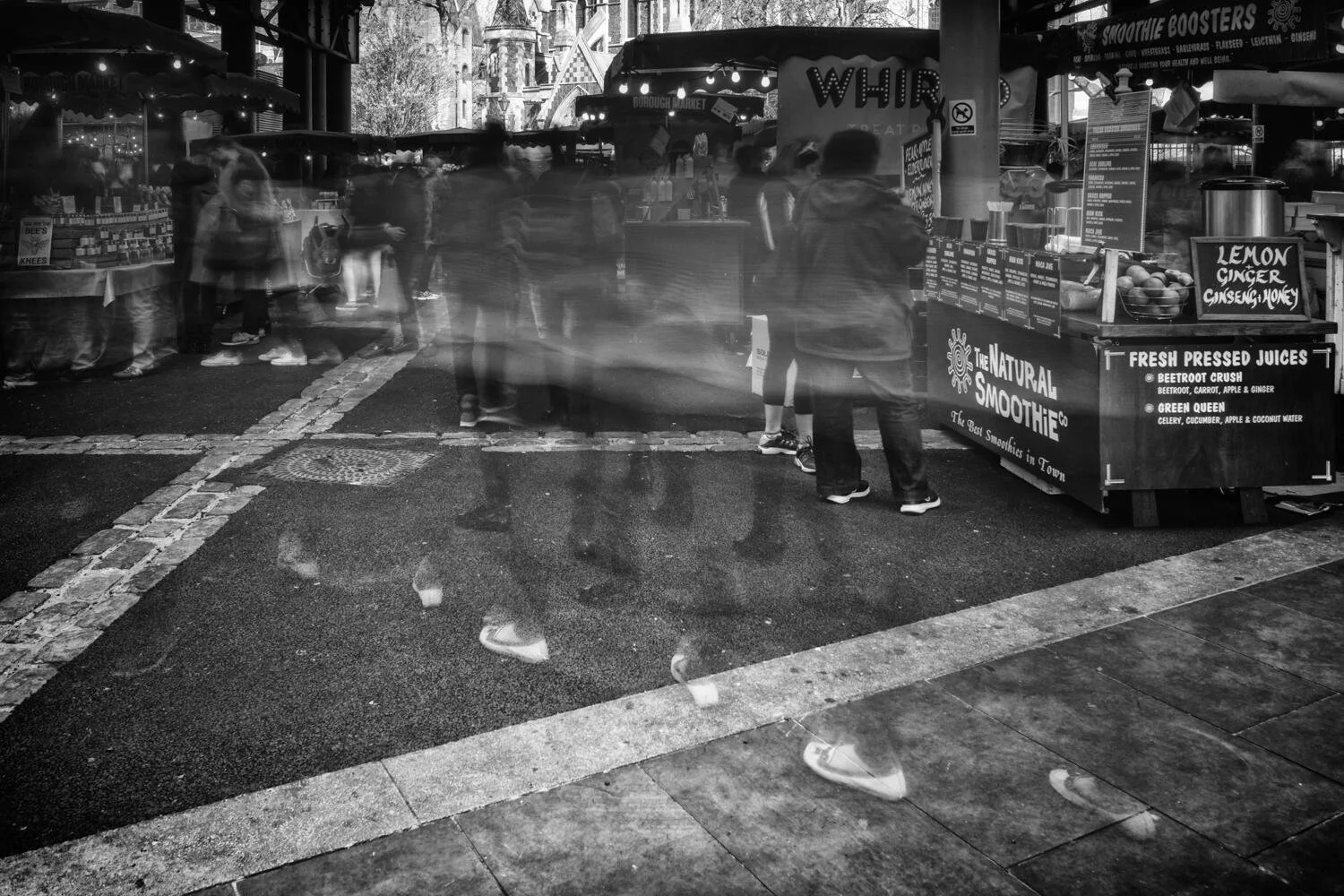
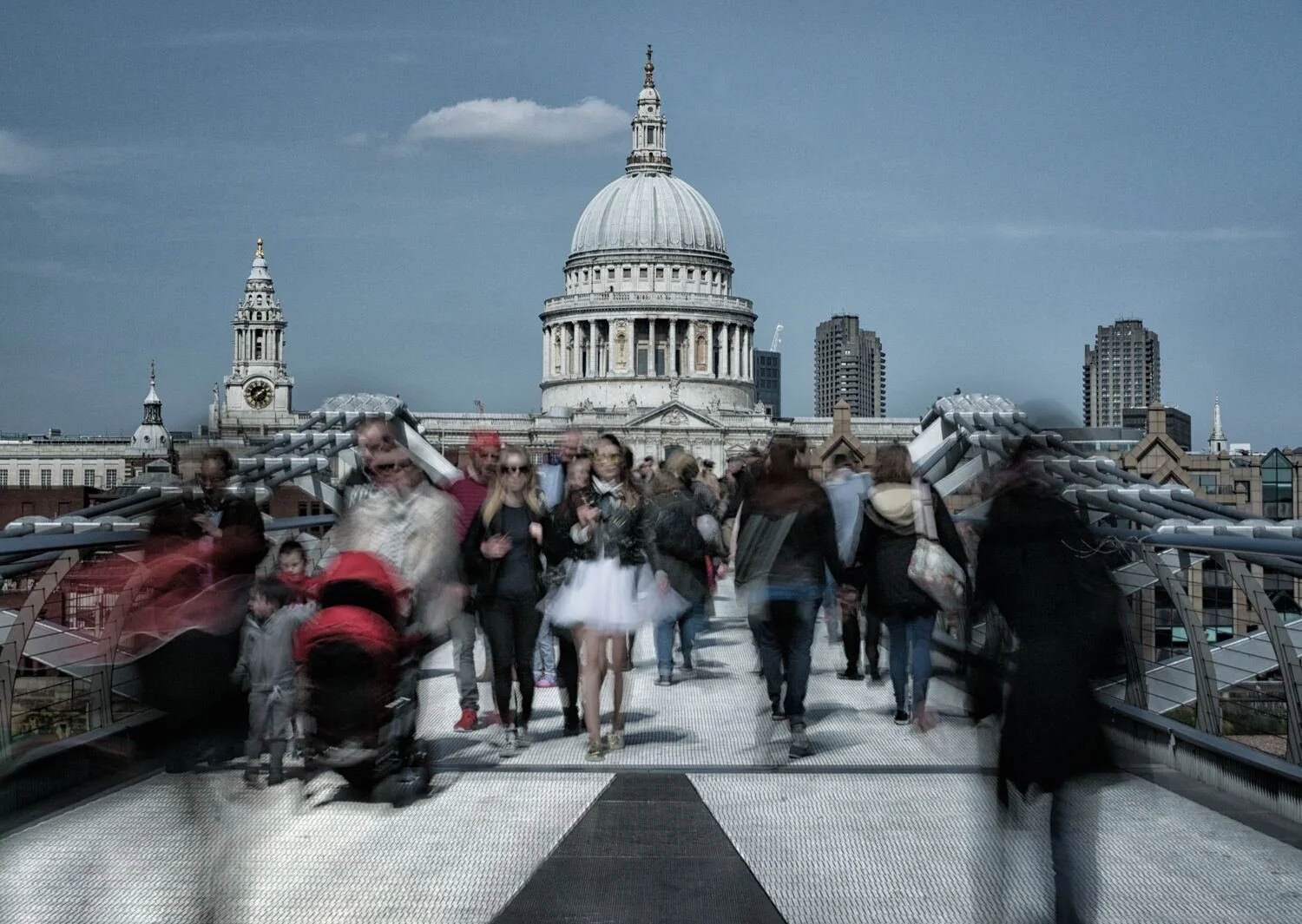
Street photography: recognise relationships in passing moments
Street stories often exist for only a fraction of a second. People, signs, architecture and movement may briefly align. The frame should contain enough context to support an inference while avoiding claims the visible evidence cannot prove.

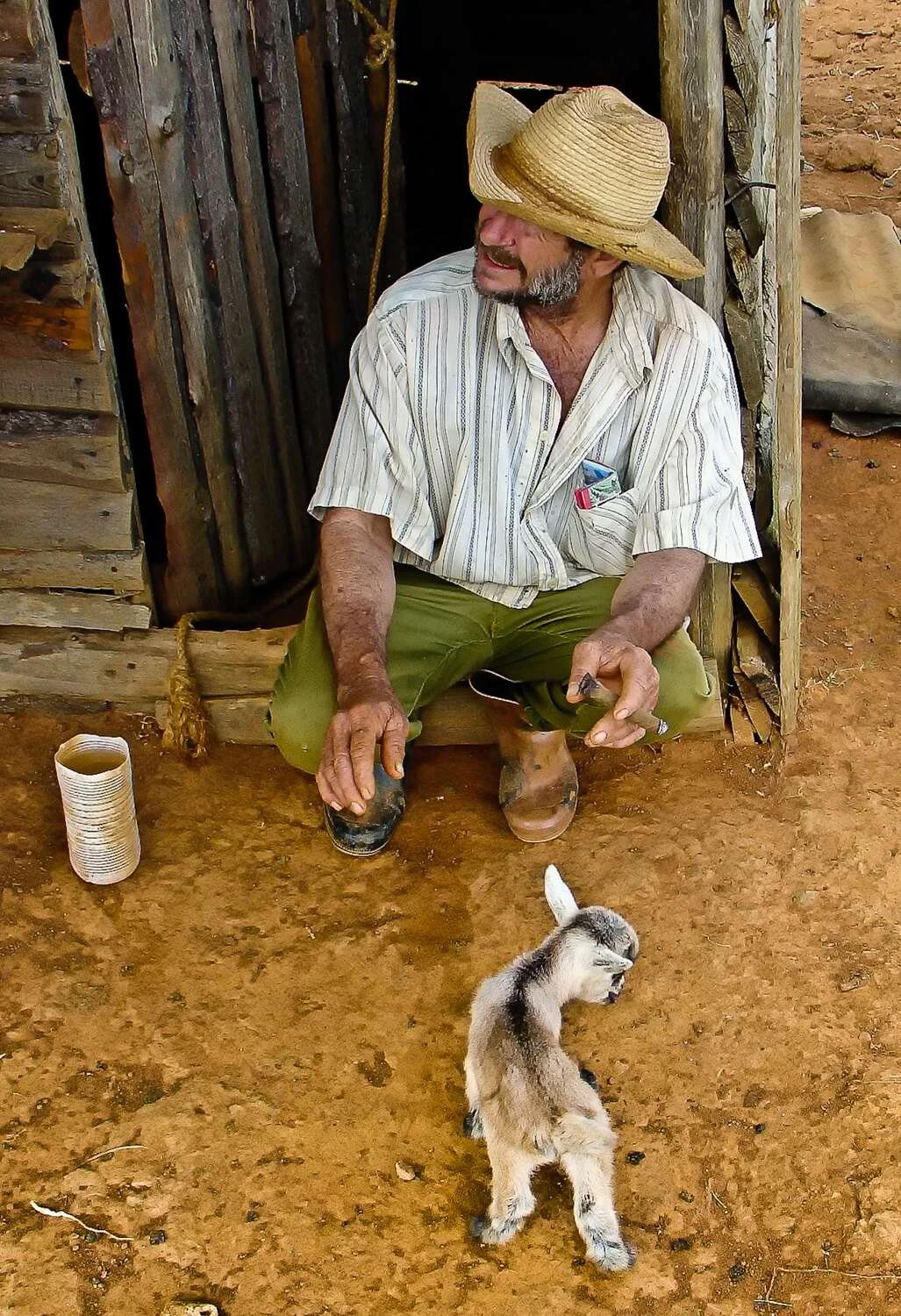
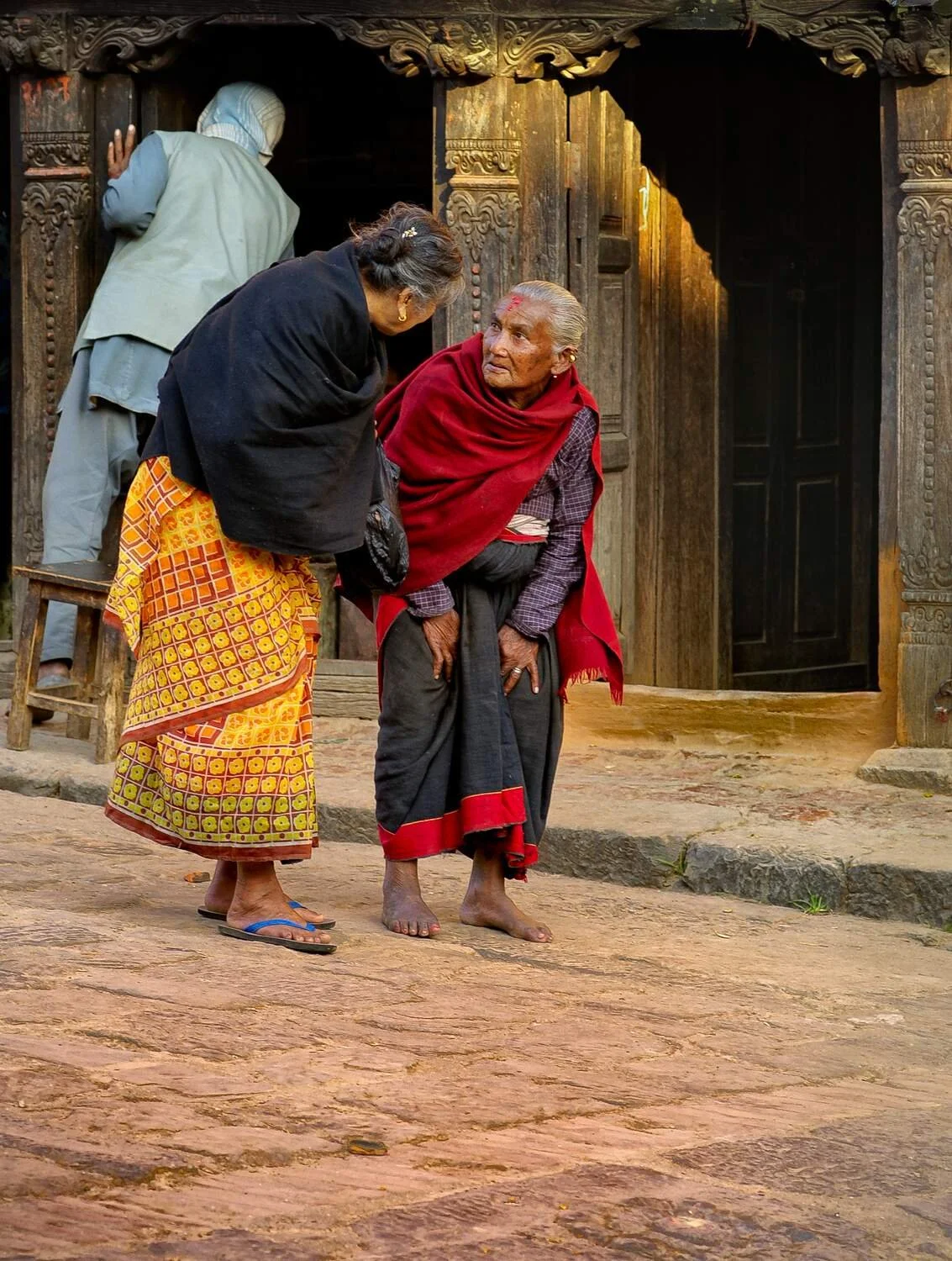
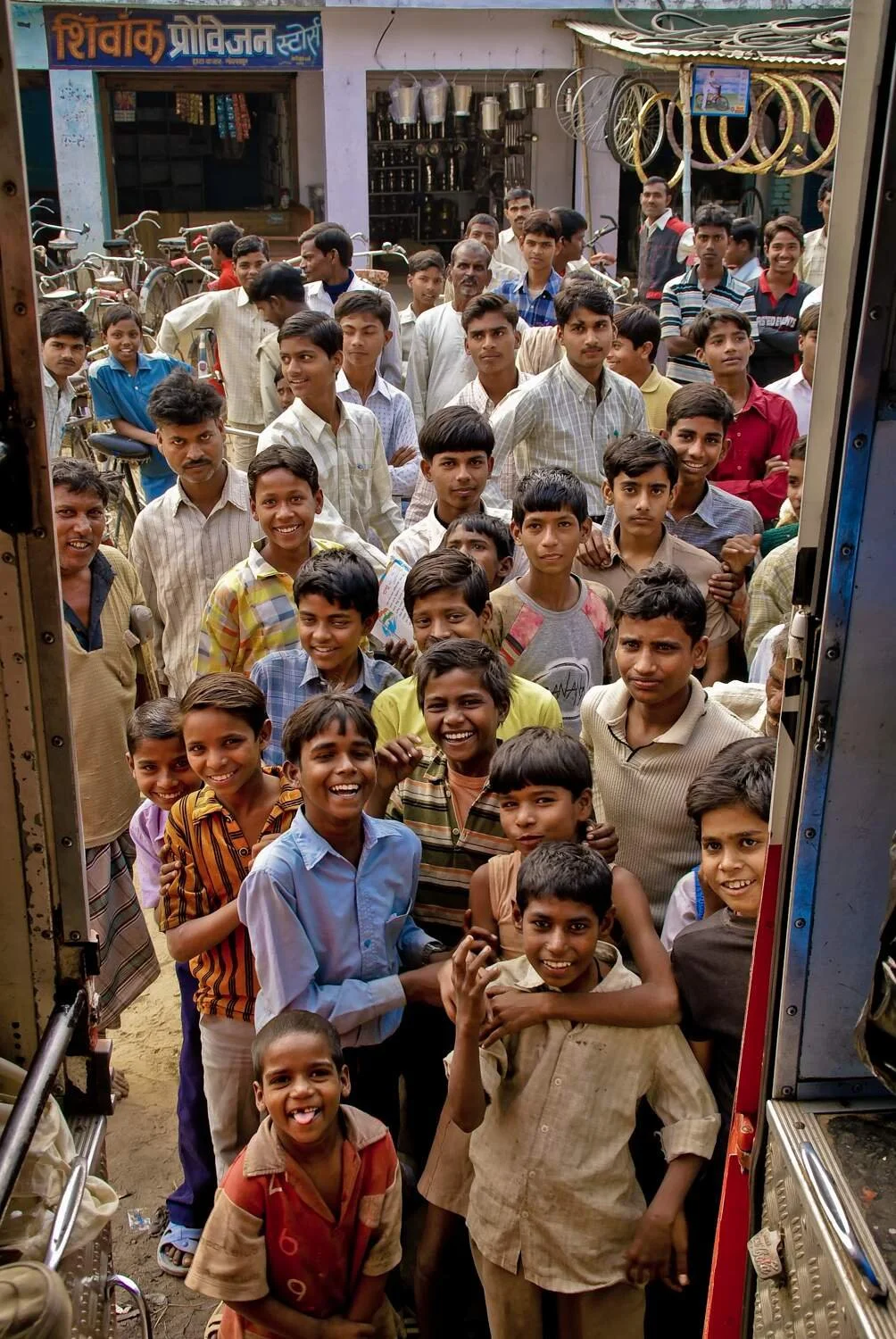
Travel photography: show people as participants in their own lives
Travel images can describe place, work, culture and encounter. Context matters, but it should deepen understanding rather than turn a person into local colour. Gesture, activity and surroundings help preserve individuality and agency.
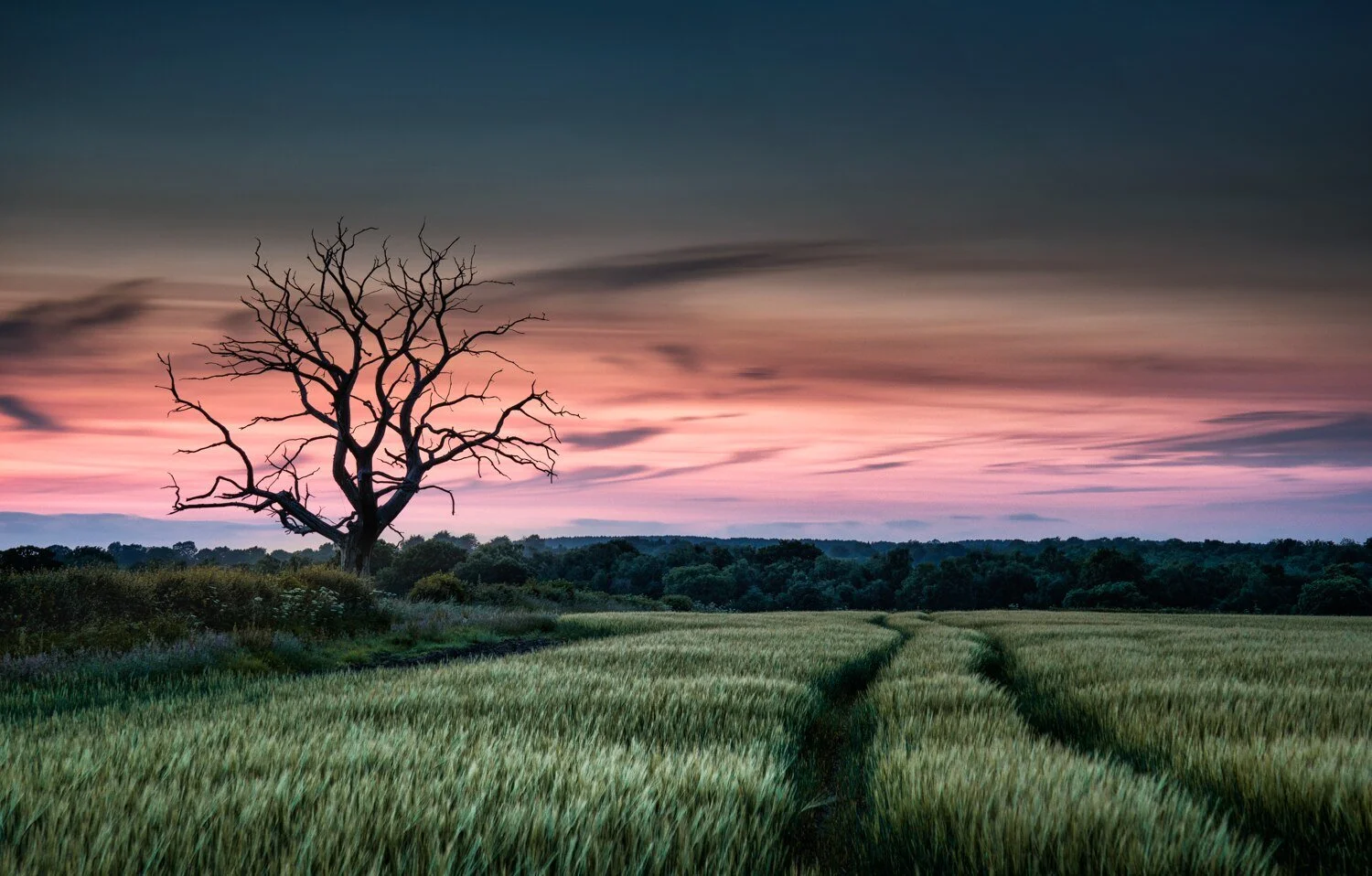
Landscape: tell stories through change, trace and atmosphere
A landscape need not contain a person to suggest narrative. Paths imply movement, structures show human presence, weather changes mood and remnants invite questions about what happened before the frame. The story may remain open, but it still needs visual evidence.
Ask across every genre: What can I see, what can I reasonably infer, which details provide context, and what has the photographer deliberately left unexplained?
Telling a story through a sequence of photographs
A sequence can show an event unfolding, or it can develop an idea through changes in viewpoint, distance, detail and atmosphere. The order matters because each photograph changes how the next one is read.
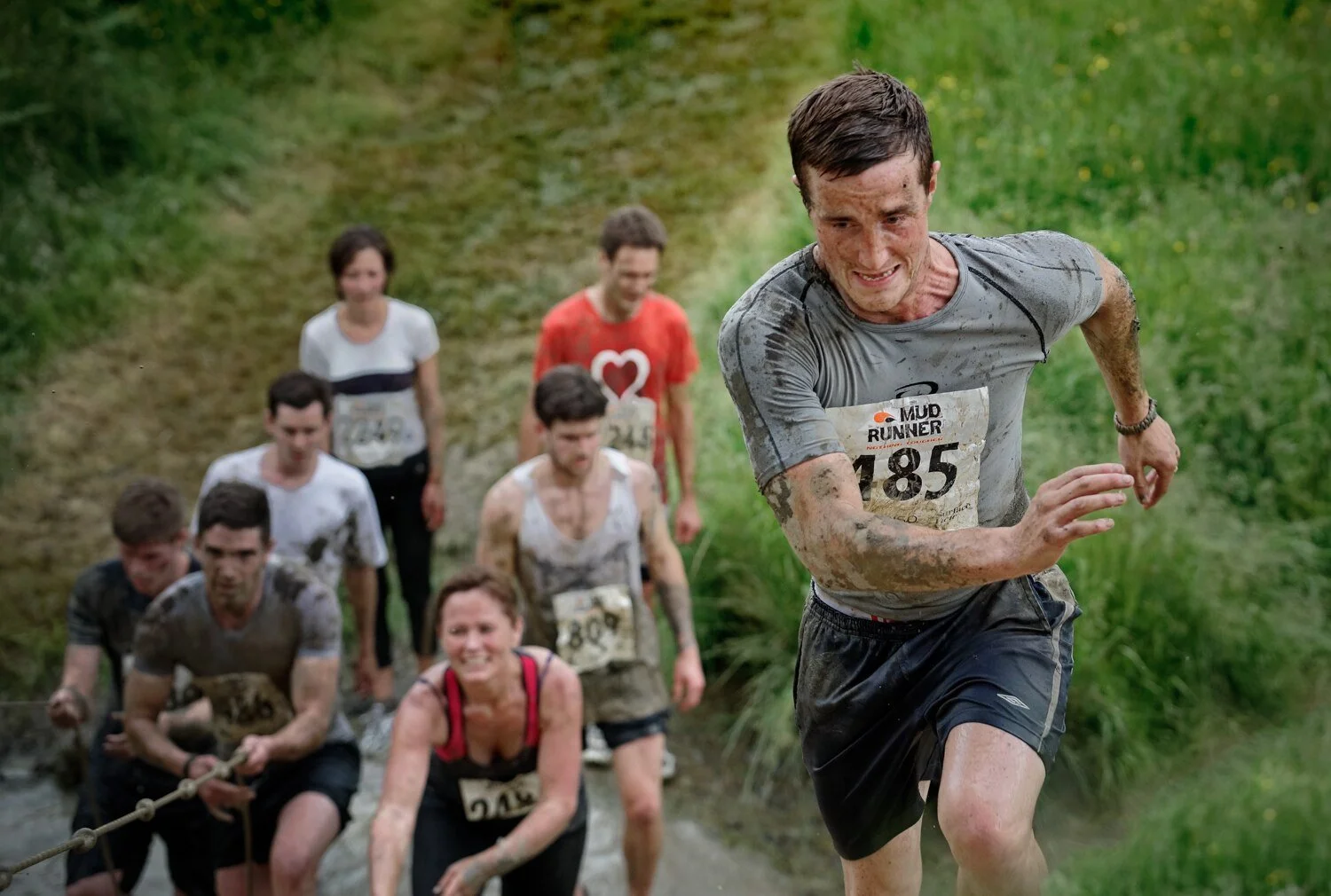
An event sequence: action, effort and resolution
The mud runner photographs move from establishing the challenge to showing movement, assistance and a final effort. A single frame may describe one moment; together they reveal a relationship and an outcome.

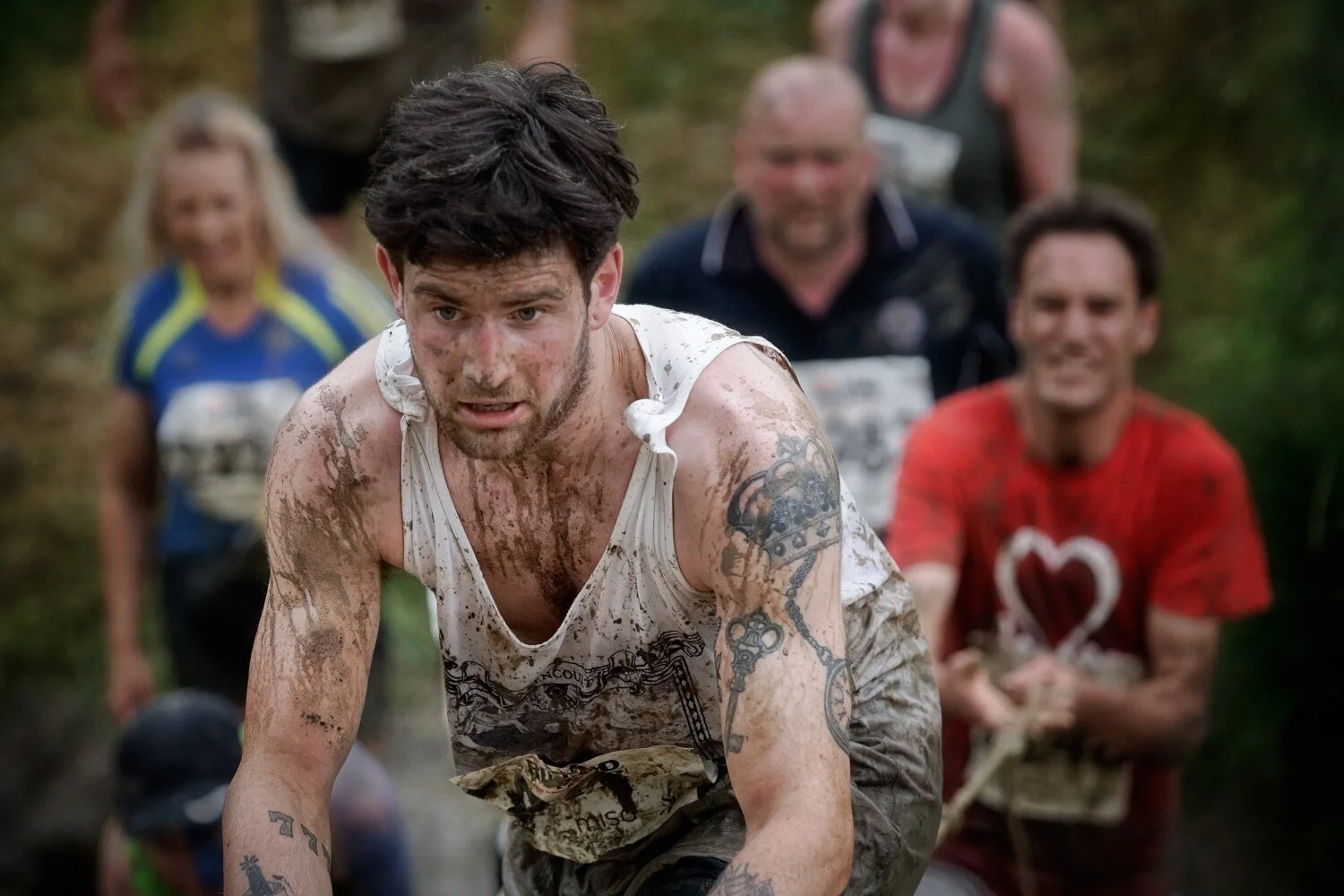
What the order contributes: the viewer first understands the task, then follows the effort and finally sees why the event matters. Rearranging the frames would change the emphasis and weaken that progression.
A landscape sequence: place, viewpoint and discovery
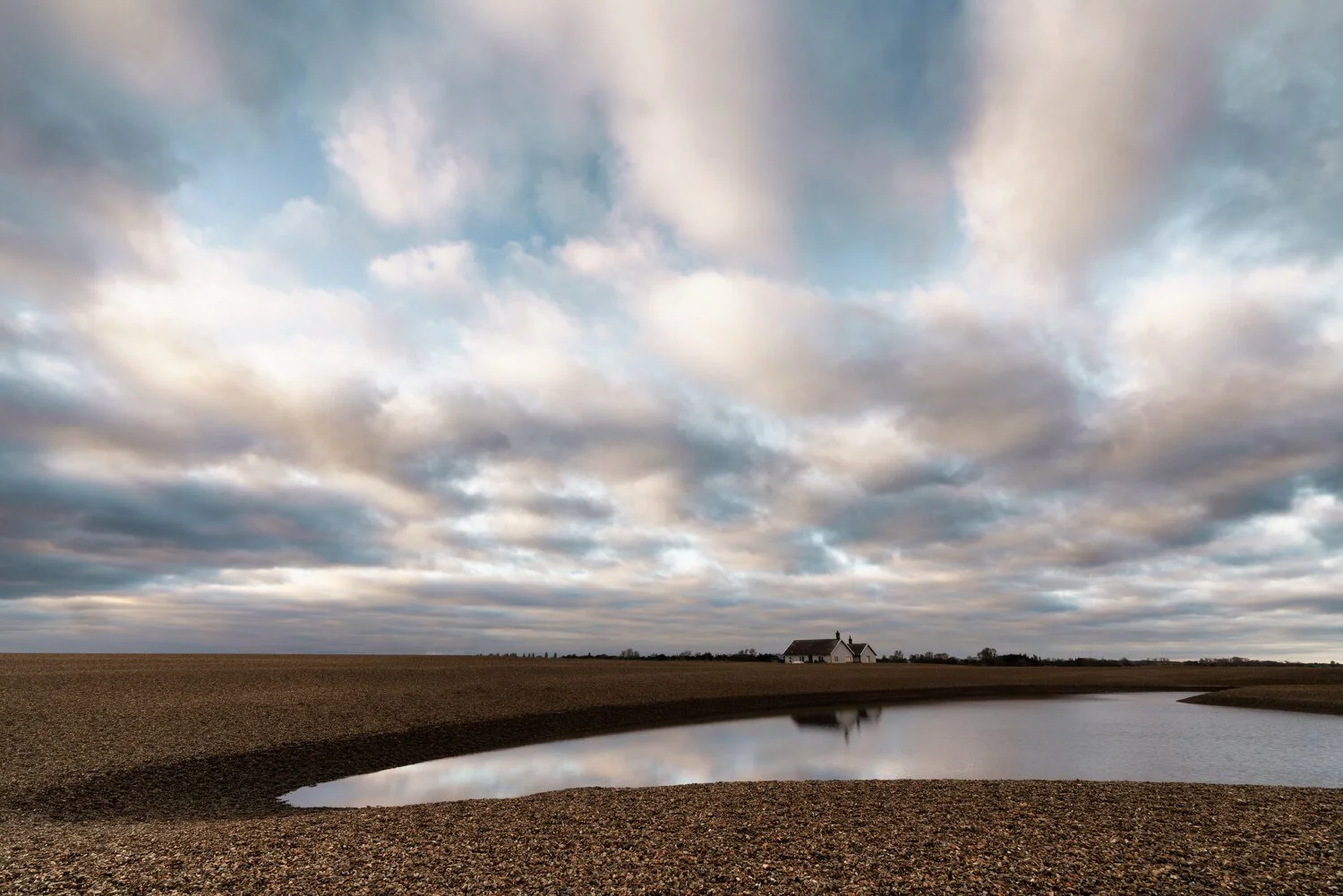
A sequence does not need a literal event. These Shingle Beach photographs move from a wider sense of place towards closer relationships of form and texture. The story is the photographer’s changing attention.


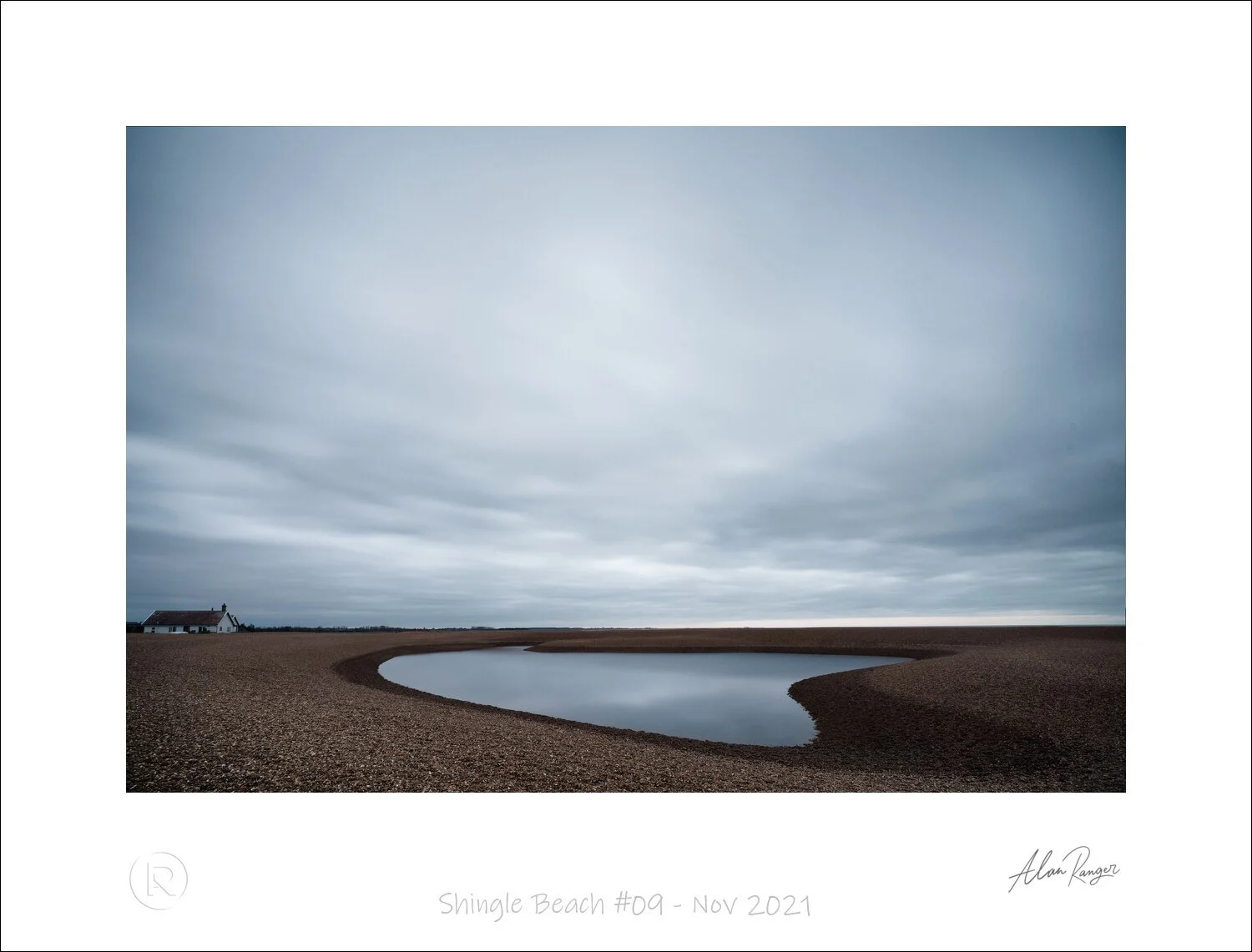
What the order contributes: scale narrows and attention becomes more specific. The sequence feels like looking more closely rather than watching an event unfold.
When editing a sequence: choose an opening that gives the viewer a way in, a middle that develops the idea and an ending that adds resolution or leaves a deliberate question.
Watch the two existing films below and notice how image order, pacing and transitions affect the story.
Get Out of Bed II — a photographic sequence
A Love of Emptiness — place, absence and atmosphere
Let the photograph reveal the story
Storytelling photography begins with attention. Notice what is happening, recognise why it interests you and decide which visual details will allow another person to understand or feel something about the moment.
Composition, light, timing and editing support that purpose. They help you clarify relationships and atmosphere, but the story still begins with what you observed.
Before you finish the photograph, ask:
Identify the moment, relationship or change that gives you a reason to make the photograph.
Include enough context to make the situation readable without filling the frame with competing information.
Watch expression, gesture, movement and light. Be ready when the elements communicate most clearly.
Review the viewpoint, frame edges, visual hierarchy and editing decisions against your original intention.
Master Storytelling in Photography
Download the 1-page field checklist or book live support.
Storytelling photography: frequently asked questions
Clear answers to common questions about creating narrative photographs, using context and communicating meaning through a single image or sequence.
What is storytelling photography?
Storytelling photography uses subject, setting, light, composition and timing to communicate a mood, idea or situation. It helps the viewer understand or imagine something beyond the photograph’s literal contents.
How do you tell a story with one photograph?
Identify one clear moment or relationship and include the visual clues needed to understand it. Gesture, expression, setting and timing can imply what happened before the frame and what may happen next. The image can leave questions unanswered while still communicating a recognisable idea or feeling.
What elements make a strong narrative photograph?
Strong narrative photographs usually contain a clear subject, meaningful relationships, useful context and deliberate timing. Light, viewpoint and composition guide attention towards those elements. Every detail does not need to explain the story, but competing information should not obscure what matters.
Can one image tell a story, or do I need a series?
One image can suggest a complete situation through action, context, gesture and emotion. A series allows you to develop the story through establishing views, details, changes and a deliberate sequence. Choose the form according to how much information the viewer needs.
How does composition support storytelling?
Composition controls what the viewer notices and the order in which they discover it. Framing, scale, visual pathways and the spaces between subjects can reveal relationships or withhold information. Start with the story, then choose the composition tools that communicate it most clearly.
How can lighting improve storytelling photography?
Lighting affects both attention and atmosphere. Soft light may suggest quietness or intimacy, while directional light and strong shadows can introduce tension or drama. Look at which details the light reveals, which it conceals and how contrast influences the mood.
Do storytelling photographs need to include people?
No. A place, object, trace of activity or changing condition can suggest a story without showing a person. An empty chair, worn path or abandoned object may provide evidence of someone beyond the frame and invite the viewer to interpret what happened.
How can I practise storytelling photography?
Choose one ordinary activity, relationship or place and observe it for several minutes. Make variations using different viewpoints, timings and amounts of context. Afterwards, select the frame that communicates most clearly without requiring a long caption, then identify one choice to improve next time.
Continue learning
Continue through the Academy’s numbered composition lessons, or revisit a connected topic from the Observation and Intention themes.
Related lessons
Personal support: bring your photographs to an Image Reviews Clinic for feedback on the story, composition and choices within your images.