
Photography Portfolio Planning for Busy College Students
Guest post disclaimer
This article was contributed by an external author and reviewed by Alan Ranger Photography before publication
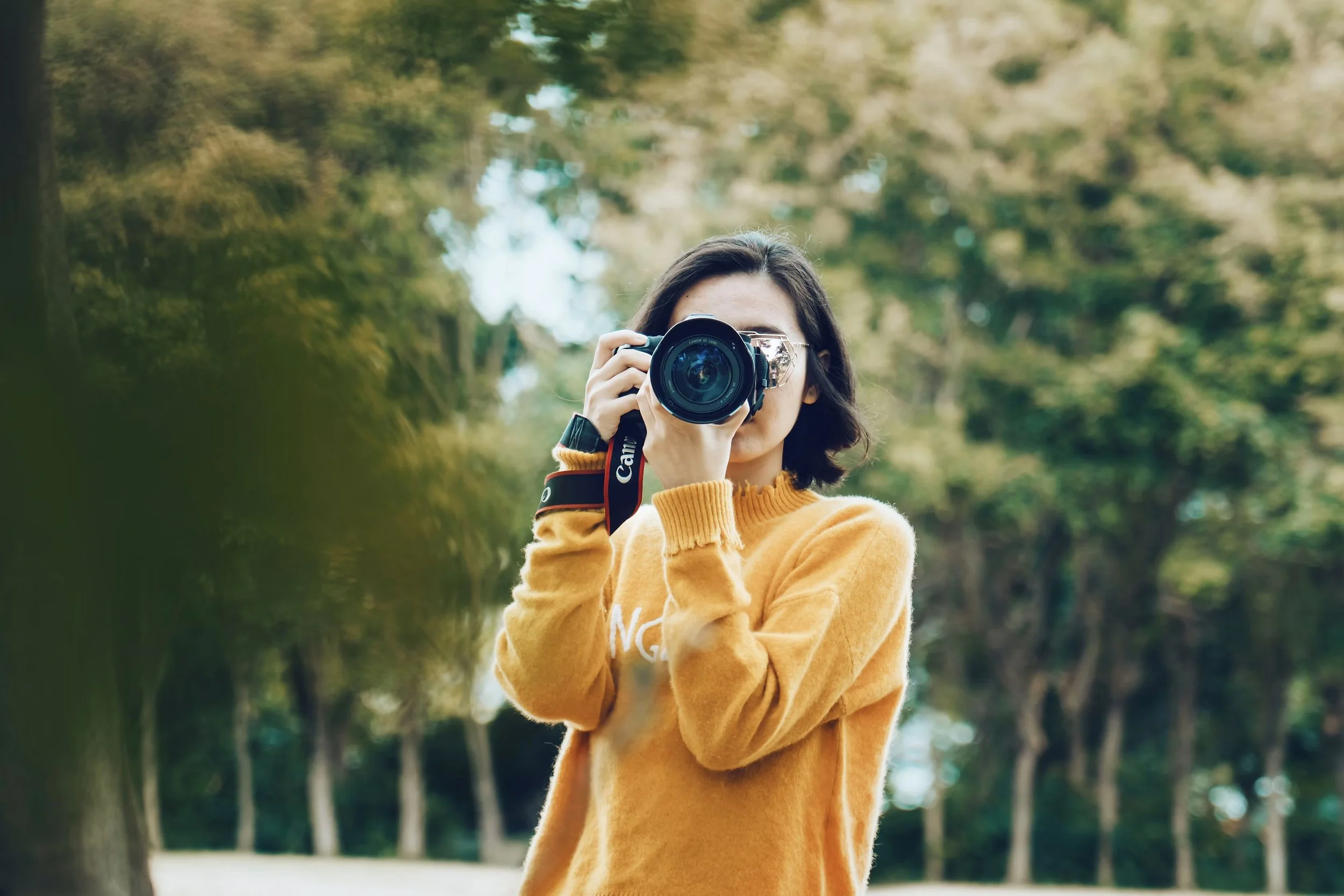
Taking photographs is only part of building a photography portfolio. You also need to choose your strongest images, arrange them thoughtfully and explain your creative decisions. When coursework deadlines overlap, that process can easily become rushed.
A useful portfolio shows more than individual successes. It demonstrates that you can recognise strong work and bring photographs together with a clear purpose. Breaking the task into stages gives you time to make those decisions properly.
Start with the Brief
Before selecting photographs, check what the portfolio needs to demonstrate. A college assessment might ask for experimentation and evidence of development. An internship application may require a focused selection relevant to a particular type of photography.
Write down the image limit, submission deadline, file requirements and any supporting text. Follow the brief rather than assuming every portfolio needs the same number of photographs.
If you need ten documentary images and a written reflection, plan time for both. The reflection should explain your decisions, while the photographs should communicate effectively without lengthy explanations.
Plan for Written Coursework
Photography courses often combine practical projects with artist statements, research and reflective essays. Give each task its own place in your schedule so a writing deadline does not consume the time you need for image selection.
Some students researching support for written assignments encounter services where they can buy college papers online as reference material. Before using external support, check your institution’s rules. Submitted work should be your own, and any sources you use should be acknowledged appropriately.
For your portfolio reflection, keep notes throughout the project. Record why you chose a location, how you approached the lighting and what changed between shoots. Those observations give you specific material to discuss when you begin writing.
Make a Broad First Selection
Begin with contact sheets or thumbnails in your editing software. Look through the whole shoot before spending time polishing individual files.
Flag photographs with potential, then compare similar frames. Small differences in expression, gesture, light or background can determine which image works best.
Use three rounds to narrow your choices:
Remove accidental technical failures that undermine the photograph.
Compare similar images and keep the strongest version.
Assess what each remaining photograph contributes to the portfolio.
Avoid rejecting an image simply because it breaks a technical convention. Motion blur, deep shadows or an unusual crop can work when they support the intended effect.
Separate Personal Attachment from Visual Strength
You may love a photograph because you remember the effort involved in taking it. Your viewer will not share that experience.
Ask what the image communicates on its own. Is the subject clear? Does the composition guide attention? Does the light contribute to the mood?
A difficult shoot does not automatically produce a strong photograph. Equally, a frame that felt easy to capture may deserve a place because its timing and composition work particularly well.
With portraits, judge whether the expression supports your intention. A relaxed expression may suit an approachable business portrait, while tension could be effective in a documentary project.
Build a Sequence with Purpose
View your shortlisted photographs together. Look for connections in subject, colour, mood and visual approach.
For a project about local musicians, you might include a rehearsal scene, a portrait, a detail of an instrument and a performance photograph. Each image adds information while contributing to the same story.
Four similar stage photographs may offer less variety, even if each is successful individually.
Experiment with the order. Try an opening image that introduces the subject, then consider how each photograph leads into the next. A change in pace or colour can be effective when it feels deliberate.
Ask for Specific Feedback
Show your shortlist to a tutor, classmate or photographer whose judgement you trust.
Instead of asking whether they like it, ask:
Which image feels weakest?
Are any photographs too similar?
Where does the sequence lose momentum?
Does the selection communicate its intended purpose?
Consider the reasons behind their answers. You do not need to accept every suggestion, but you should be able to explain why you have kept each photograph.
Check the Final Presentation
Leave time to inspect the actual submission. Check filenames, image dimensions, colour consistency and the order of pages or photographs.
Open the exported files and view them at the intended display size. If you are submitting prints, check the proofs before producing the final set. Read any supporting text alongside the images to make sure it accurately describes the work.
Keep unused photographs in a separate folder. They may suit another project.
A strong photography portfolio is a considered selection. Give every image a clear reason to be there, and allow enough time to judge the collection as carefully as the individual photographs.