
Best Way to Learn Photography in 2026 - Lessons Guide
Table of Contents Show
Best Way to Learn Photography in 2026 (Without Wasting Months on Trial and Error)
If you want to learn photography in 2026, the best route is usually not one single thing on its own. The fastest and most effective approach for most people is a mix of structured teaching, regular practice, and expert feedback.
A lot of beginners spend months watching random videos, buying gear they do not need, and still feeling unsure how to use their camera properly. The problem is rarely motivation. The problem is usually the learning path.
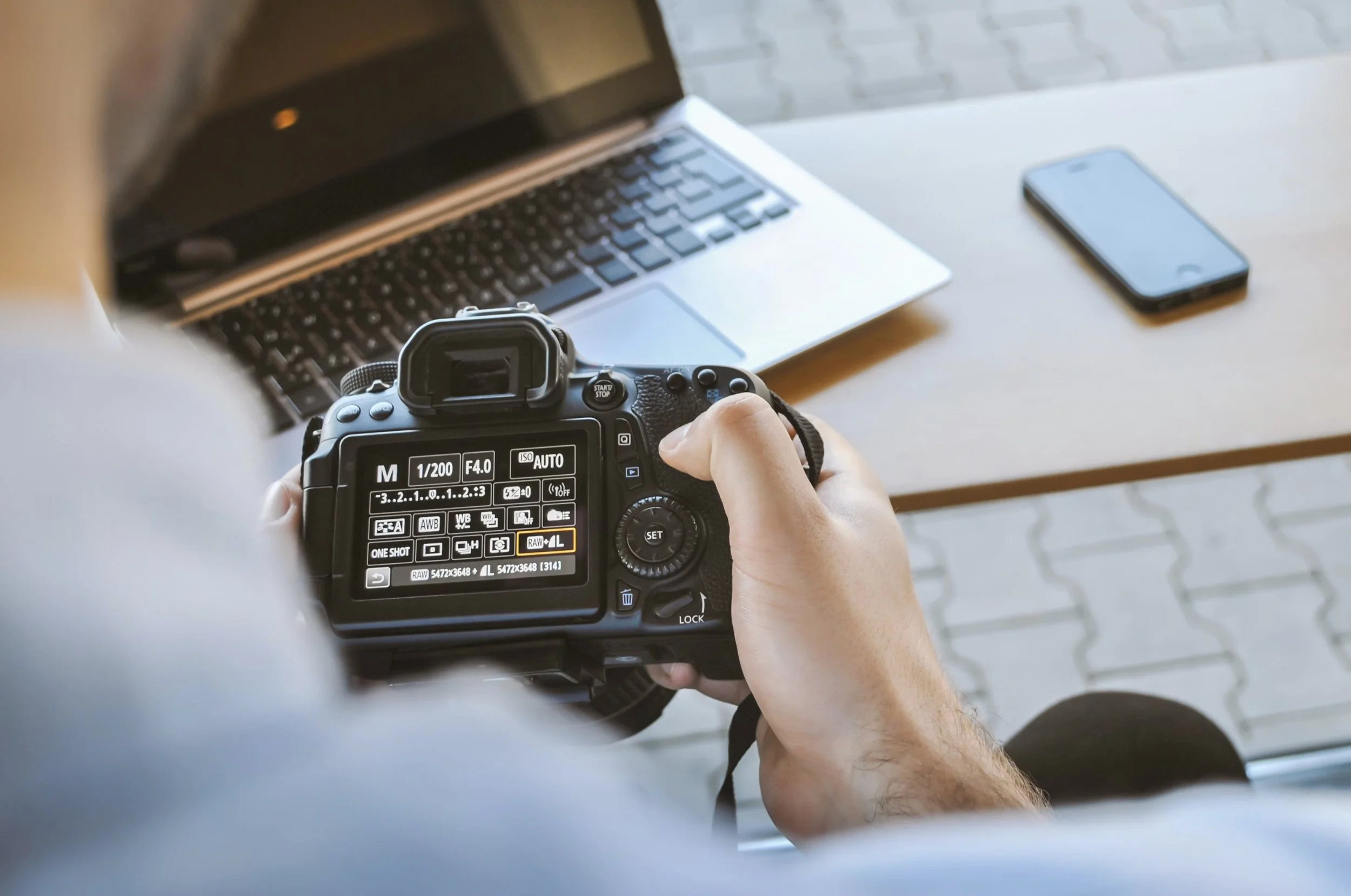
A good photography course or lesson should help you understand the essentials, practise with purpose, and build confidence step by step. That is what actually helps people improve, rather than just keeping them entertained.
Quick Summary: The Best Ways to Learn Photography in 2026
If you are wondering how to learn photography effectively, these are the main options worth considering.
1. Free YouTube videos and blogs
Pros: Free, flexible, lots of inspiration
Cons: Often unstructured, easy to get overwhelmed, no feedback
Best for: Quick answers and extra tips alongside a proper learning plan
2. Free online photography courses
Pros: Better structure than random videos, low-risk starting point, ideal for beginners
Cons: Usually less personal support than paid learning
Best for: Anyone wanting to get off Auto and build a proper foundation
3. Photography Academy or paid online learning
Pros: Step-by-step learning, progress tracking, assignments, support, certificates
Cons: Requires commitment, quality varies
Best for: Learners who want a clear path and ongoing development
4. Local photography lessons
Pros: Hands-on help, easier to ask questions, more personal support
Cons: Less flexible around timing and travel
Best for: Beginners who want direct help with their own camera
5. Photography workshops
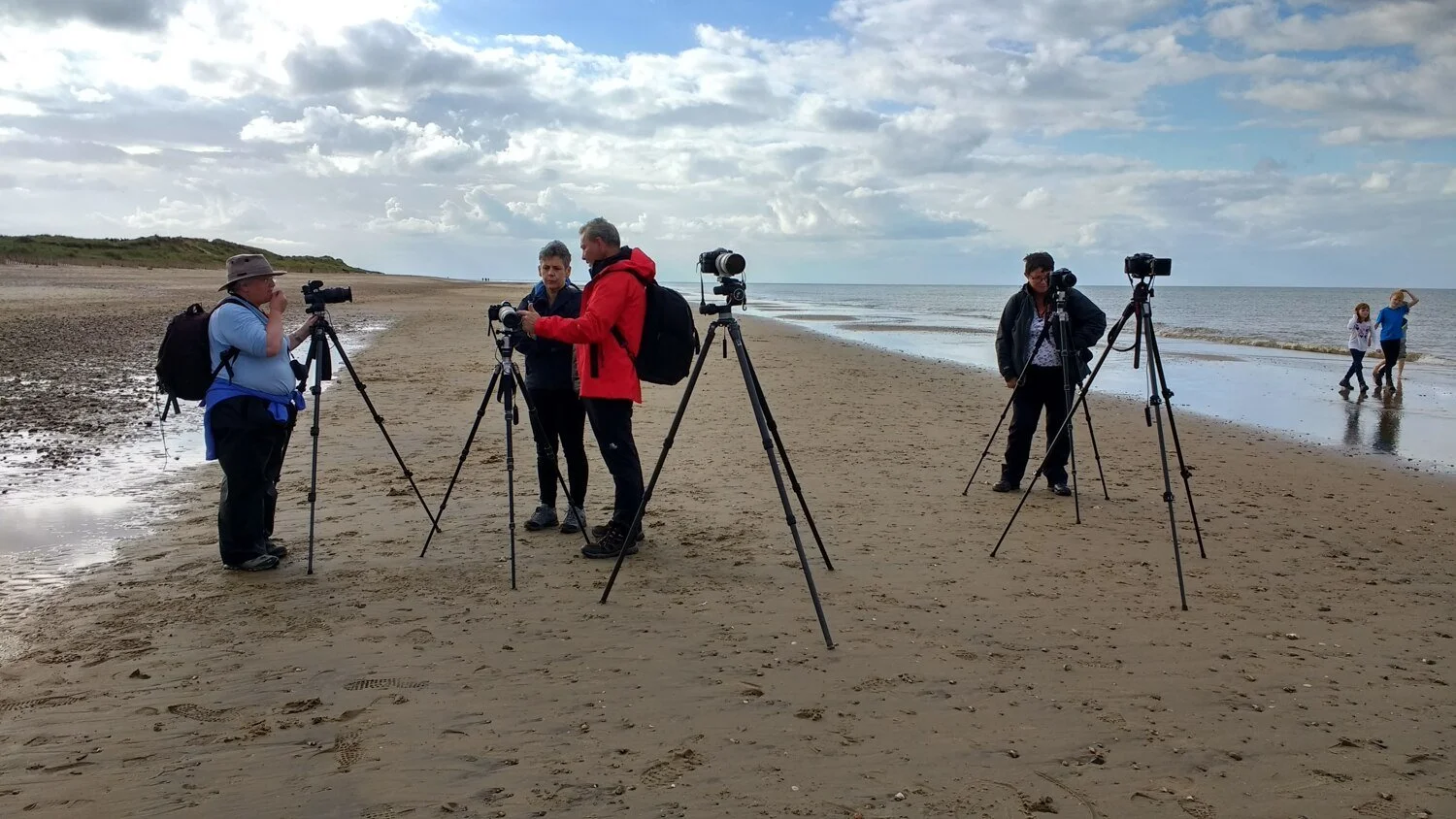
Pros: Real-world practice, location experience, guidance with light and composition
Cons: Often more genre-specific than beginner-focused
Best for: People who learn best by doing, especially landscape photographers
6. Zoom mentoring or private one-to-one lessons
Pros: Personalised, flexible, faster progress, tailored to your goals
Cons: More expensive than self-study
Best for: Learners who want direct feedback and targeted improvement
7. Accreditation mentoring
Pros: Clear goal, detailed critique, expert support
Cons: More suitable once you already know the basics
Best for: Photographers working towards qualifications or distinction panels
Why So Many People Struggle to Learn Photography
The biggest problem is not lack of information. There is more photography advice available now than ever before.
The real problem is that much of it is scattered.
One video explains aperture. Another explains shutter speed. Another talks about editing. Then someone starts discussing expensive lenses, flash, or presets before the learner even understands exposure properly.
That is why so many people feel stuck.
They may be trying hard, but they are missing a clear structure.
To really learn photography well, most people need to understand:
Aperture
Shutter speed
ISO
Exposure
Focus
Light
Composition
Without those basics, everything else becomes guesswork.

1. Start With Clear Foundations
The best photography lessons teach the essentials properly first.
Before worrying about advanced gear or specialist genres, a learner should understand how the camera works and why a photo succeeds or fails.
A strong beginner path should cover:
What aperture does
How shutter speed affects movement
How ISO affects brightness and image quality
How to focus accurately
How available light changes a scene
How to move beyond Auto mode with confidence
This stage matters because it saves a huge amount of frustration later.
If the foundations are weak, progress becomes slower and more confusing.
2. Use Free Content in the Right Way
Free photography content still has a place in 2026. Blogs, YouTube videos, and tutorials can all be useful.
They are especially helpful when you need a quick answer to a specific question.
But free content works best when it supports a learning plan rather than replacing one.
The problem with random free advice is that it often leaves gaps. You can spend weeks watching content and still not know what to practise next.
That is why a free online photography course is often a much better starting point than random searching. It gives beginners a more logical structure while still being easy to access.
Free starting point
If you want to begin with a more structured route, you can start here:
Free Online Photography Course
3. Real Progress Comes From Taking Photos
One of the biggest mistakes people make is confusing watching with learning.
Watching photography content can feel productive. But it is not the same as going out with your camera and putting things into practice.
The best way to improve is to:
Take photos regularly
Test settings on purpose
Review the results
Understand what worked
Correct what did not
That is why good photography lessons often include assignments, practical exercises, or tasks to shoot between sessions.
A proper brief helps far more than simply telling someone to “go and practise”.
4. Feedback Is One of the Biggest Shortcuts
This is where many self-taught photographers stay stuck for too long.
They may not realise why their images are soft, why the exposure looks off, why a composition feels cluttered, or why the picture does not have the impact they hoped for.
Feedback speeds everything up.
When an experienced photographer explains what is happening and how to improve it, learning becomes more intentional.
That is why one-to-one lessons, mentoring, workshops, and supported Academy learning can be so effective. They do not just deliver information. They help you apply it.
5. The Best Learning Path Depends on Your Goal
Not everyone needs the same kind of support.
A complete beginner wanting to get off Auto needs something very different from:
A landscape photographer wanting to improve composition
A hobbyist wanting more confidence on holiday
Someone interested in portraits or wildlife
A business owner wanting better product images
A photographer working towards accreditation
The best learning method is the one that matches your level, your goal, and the amount of flexibility or feedback you need.
That is why it helps to choose from a range of options rather than relying on one generic course.
6. A Strong Option for Learning Photography in 2026
If you want a learning path that goes beyond random tips, Alan Ranger Photography offers several ways to learn depending on your level, location, and goals.
With over 20 years of professional photography experience, teaching thousands of clients, delivering commercial photography training to businesses, and giving lectures internationally, the teaching is based on real-world experience as well as education.
That means learners can choose the style of support that suits them best.
Free online course
A good first step for beginners who want to understand the basics in a simple and accessible way.
Start here:
Free Online Photography Course
Photography Academy
For learners who want a more structured path, the Academy offers progression support and a clear route for development. This includes learning resources, progress tracking, exams, certificates, and a growing photography community of more than 3,500 members.
Explore the Academy:
Photography Academy
Local photography lessons in Coventry
Ideal for people who want hands-on help, direct feedback, and support with their own camera.
View local photography lessons:
Photography Lessons
UK photography workshops
Perfect for photographers who want practical, on-location experience and support with composition, timing, light, and camera settings in real conditions.
See photography workshops:
Photography Workshops
Zoom mentoring and one-to-one support
Useful for photographers who live further away, need flexibility, or want more personalised help around their schedule.
Find out about one-to-one mentoring:
Photography Mentoring and Tuition
RPS accreditation mentoring
For photographers who want to work towards distinctions and benefit from detailed guidance, panel development, and critique. Alan Ranger has also supported more than 25 clients to achieve successful RPS accreditation outcomes through independent mentoring.
7. What I Look for When Recommending Photography Lessons
When deciding on the best way for someone to learn photography, these are usually the most important questions:
Does it teach the essentials properly?
Does it include real practical shooting?
Does it provide feedback?
Is there a clear structure?
Does it match the learner’s level and goals?
Will it genuinely help them improve?
That is a far better test than simply asking whether something is cheap or popular.
The cheapest option is not always the best value if it wastes months of trial and error.
A better course often saves time, frustration, and lost confidence.
Final Verdict: What Is the Best Way to Learn Photography in 2026?
For most people, the best way to learn photography in 2026 is:
Structured teaching + regular practice + feedback
That combination gives you the knowledge, the experience, and the confidence to improve much faster than trying to piece everything together from scattered tips.
For some people, that may start with a free course. For others, it may mean local photography lessons, a workshop, Academy membership, or private mentoring.
The important thing is choosing a path that helps you build skills properly and use your camera with intention.
If you want to start with a clear, beginner-friendly option, the best next step is to begin with the free course and then build from there.
Start Learning Photography
Free starting point
Start the Free Online Photography Course
Want a more structured path?
Explore the Photography Academy
Prefer local or one-to-one support?
View Photography Lessons and Mentoring