
The Studies Needed to Become a Professional Photographer
Guest Post by Emma Watson.
Guest post disclaimer
This content has been provided as a paid guest post. It is published for general interest only. The views expressed, and any mentions or links to external companies (including assignment-writing or “pay someone to do your assignment” services), are entirely those of the guest author. I do not endorse or recommend these services and they should not be taken as advice from me or my business.
Introduction
A skilled photographer does more than simply glance at the world via their camera's lens. It necessitates deliberate training and practice: honing technical skills while widening creative ones. If you wish to advance, identify which educational paths lead to professional chances. Photographers in today's industry must be innovative and knowledgeable about new technology and commercial work. Uncover the essential study areas. The ones that can help you become a skilled photographer.
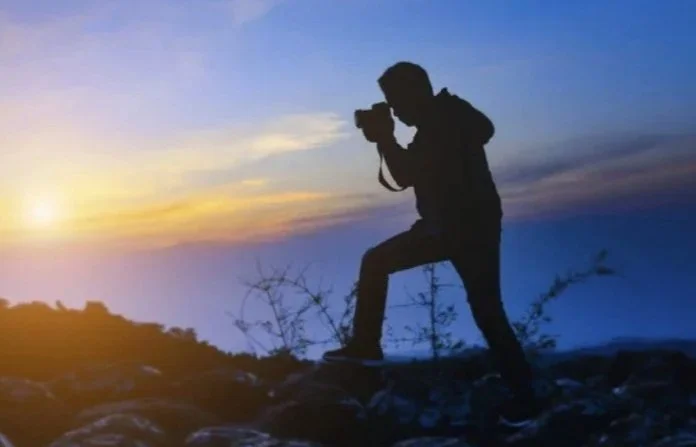
Career in Photography. Formal Education
Formal education is the foundation for individuals who aspire to become professional photographers. Among the main paths is obtaining a photography degree. These can include bachelor's or master's degrees in photography, media or visual arts. With such programs, students can gain comprehensive knowledge of:
Techniques;
Composition;
Color theory;
History of photography.
On campus, students have access to modern equipment. There are also laboratories for practical training there. Thus, they may develop professional skills.
Specialized courses and training
Besides formal education, a professional needs to master specific technical skills. You can learn these at specialized classes for photography. Such classes include digital image processing, lighting, and composition. You will learn how to apply listed skills in real projects. You can find courses mentioned above on independent educational platforms and at colleges specializing in the arts. The ability to choose the right equipment, set up lighting, and manage post-processing is the key to competitiveness in the photo field. Therefore, pay attention to commercial photography classes. With their help, you can master the specifics of working with clients, creating advertising shots, and commercial projects.
When mastering the art of photography at a deeper level, students may face academic overload. This usually results from the intense combination of numerous academic responsibilities and specialized photography training, which can be difficult to balance. Not everyone is able to manage both areas effectively without compromising one of them. Fortunately, modern technology offers not only online learning opportunities but also access to reliable academic support. Today, learners can seek dissertation writing help through online services that collaborate with professional academic writers. With this support, students can manage their time more efficiently, stay focused on the creative process, and maintain a high standard of education by submitting well-prepared assignments that meet institutional requirements.
Technical skills
A modern professional photographer must not only have an artistic eye but also a deep understanding of the technical aspects of shooting and post-processing. By this it means proficiency in working with cameras of various classes, as well as professional mastery of software. In particular, Adobe Photoshop, Lightroom, and Capture One.
In addition to basic processing, a photographer must know:
How to work with RAW files;
How to manage color profiling, retouching, and complex post-processing for commercial and artistic projects.
With these technical skills, you can implement complex creative concepts and achieve professional-quality images in a variety of conditions.
Practical Training. Portfolio Development
The best skills come through practice. Students and beginner photographers should do the following things:
To actively participate in photo contests and workshops;
To constantly work on their own projects.
Thus, they will not only improve technique but also build a strong portfolio that will become a calling card as a future professional.
Institutions that position themselves as the best colleges for photography will offer not only access to photo studios and workshops, but also structured practical programs. In the latter, students work on commercial and artistic projects under the guidance of experienced mentors. Such programs include:
Photo shoots for real clients;
Portrait sessions;
Advertising campaigns, etc.
This way, you will gain experience that will be much closer to professional working conditions. Besides, specialized colleges organize student participation in competitions and international photo projects. Thanks to this, beginners can build a professional network of contacts and form such a portfolio that will attract the employers and client’s attention.
Conclusion
If you desire to become a professional photographer, consider this path as a combination of comprehensive approach and dedication. That's why you should have the right study strategies and systematic practice. With them, you will succeed in this exciting and competitive field. Use campus resources. Take commercial photography classes and digital image processing courses. Continuously improve yourself. Combine study with practical projects. Build a portfolio that shows not only your abilities but a unique style.
Emma Watson
An experienced writer, Emma specializes in research and analytical articles. She regularly writes about teaching methods and professional development in creative fields. A prominent place here is occupied by visual arts and photography, which Emma is passionate about on a more than amateur level.